Blog
Dental hygiene tips for healthy teeth & gums
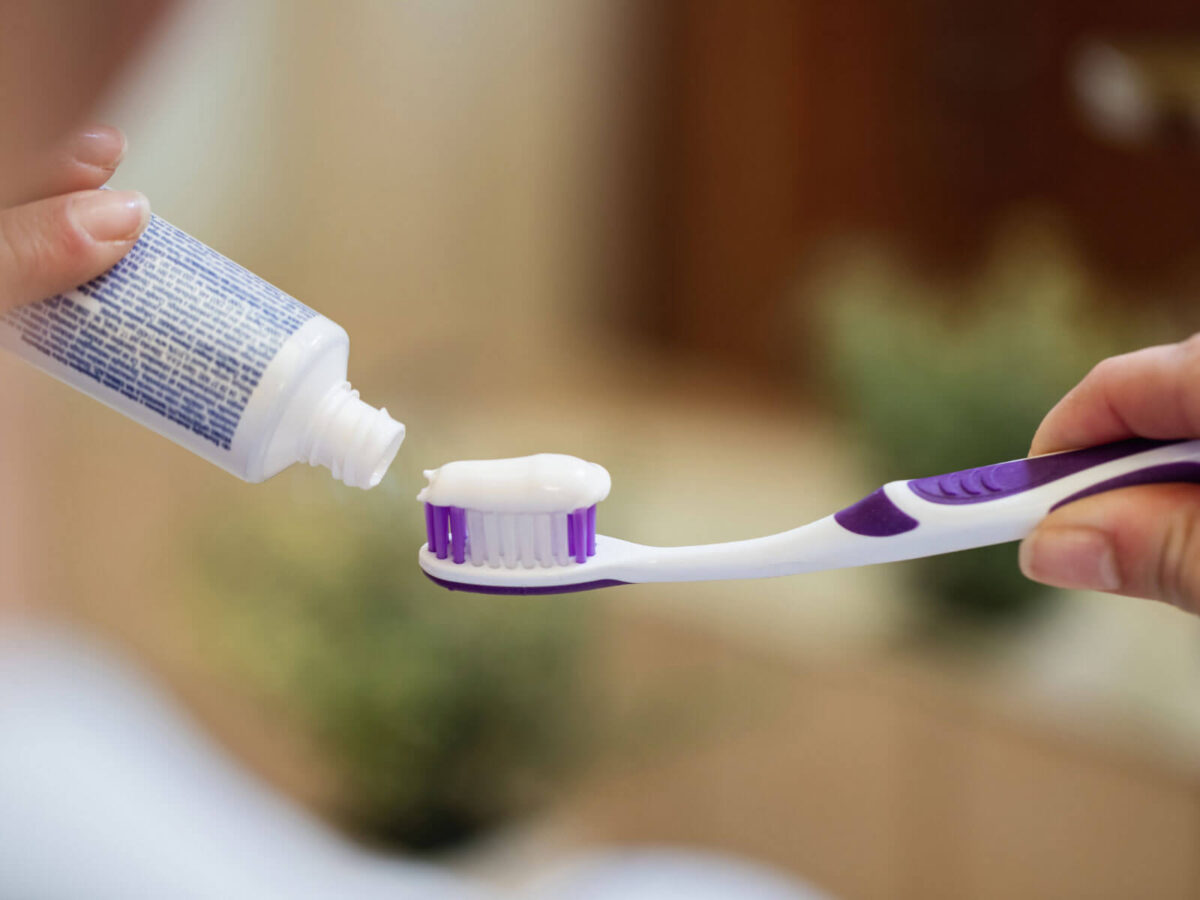
How to Choose the Right Toothbrush and Toothpaste: Bristle Type, Electric vs Manual, Fluoride & ADA Seal
My dad’s brushed with a stiff toothbrush for years now. He thinks it cleans better. His dentist disagrees and has said so more than once, pointing out that firm bristles wear down the gumline faster than they remove plaque. He still hasn’t switched.
That gap between what feels effective and what actually is comes up constantly with oral care products. How to choose a toothbrush and toothpaste sounds like it should require some expertise. It mostly doesn’t. A handful of details matter. Everything else on the shelf is marketing built on top of those same few things.
What Bristle Type Should You Actually Use
Soft, every time. The ADA is direct about this: when it comes to choosing a brush, go soft, whether it’s manual or electric. Medium bristles can remove plaque, but they carry a real risk of gum abrasion. Firm bristles aren’t recommended at all.
Shape matters too. Multi-level or angled bristles clean plaque more effectively than a flat-cut brush head, per the same ADA guidance. A real functional difference, and one worth checking for when weighing best toothbrush for teeth options at the store.
Electric vs Manual Toothbrush: Does It Actually Matter
The ADA doesn’t pick a side here. Brush twice a day for two minutes with fluoride toothpaste, and either type gets the job done. Technique matters more than which one’s in your hand.
Research complicates that a little. A five-week randomized clinical trial in PMC comparing an oscillating-rotating electric brush against a manual toothbrush found the electric brush produced significantly greater reductions in plaque and gingival bleeding, more than double the bleeding-site reduction of the manual group by week five.
Electric brushes seem to have a real edge for anyone whose manual technique isn’t already excellent. Timers and consistent motion pick up the slack. A rushed two minutes by hand tends to leave behind.
Practical factors tip some people toward electric regardless. Limited hand mobility, arthritis, or a kid who needs help hitting two full minutes all make a built-in timer genuinely useful for anyone still weighing electric vs manual toothbrush as a real decision rather than a preference.
What Does the ADA Seal Actually Mean
The single most useful shortcut in this whole decision. The ADA Seal of Acceptance requires manufacturers to submit scientific evidence directly to the ADA Council on Scientific Affairs, proving safety and effectiveness through independent evaluation. Not the brand’s own word on it.
For a toothbrush, that means verified proof that bristles won’t fall out with normal use, and the brush actually reduces plaque and gum disease risk. For toothpaste, the seal confirms fluoride content meeting real standards. Skip reading ingredient lists when you’re stuck figuring out how to pick toothpaste or a brush. The seal already did that work.
How Much Fluoride Should Be in Your Toothpaste
There’s a number worth checking on the back of every tube: parts per million of fluoride. Anything sold over the counter typically falls between 1,000 and 1,500, and the ADA backs that range as the standard for effective cavity protection. Most name-brand pastes cluster toward the higher end of it.
That’s the ceiling for what you’ll find without a prescription. Dentists can go stronger for patients with a heavy cavity history, sometimes up to 5,000 ppm, but that’s a conversation with your dentist, not a drugstore purchase.
The compound name barely matters. Sodium fluoride works. So does stannous fluoride. So does sodium monofluorophosphate. What actually separates a good tube from a bad one is simpler: the ppm number, and whether the ADA Seal’s on the box, which is really the whole test for which toothpaste is best.
Sensitive Teeth or Gum Disease – How Do You Know Which Toothpaste You Need
These get confused constantly, and the toothpaste aisle doesn’t help. Sensitivity and gum disease look similar from the outside – sore gums, sharp pain, general discomfort, but they’re two different conditions with two different fixes.
Sensitivity means exposed tubules in the dentin, tiny channels sending pain straight to the nerve. Potassium nitrate and stannous fluoride both work by sealing those channels shut, though it takes a couple of weeks before that starts to feel like anything. Gum disease is a bacterial problem, so its toothpaste skips the pain-blocking approach entirely and goes after bacteria instead.
Neither improving after weeks of trying? That’s not a formula problem anymore. See a dentist before picking up another tube, since how to pick toothpaste only matters once the actual diagnosis is right.
Does Toothbrush Head Size Actually Matter
More than people assume. A smaller head reaches back molars and awkward corners of the mouth more easily than a large one. That access does more for a thorough cleaning than most features listed on the packaging.
Kids need smaller heads sized for a smaller mouth, and most manufacturers make that distinction obvious through age-labeled product lines. An adult using a kids’ brush isn’t dangerous. It just misses spots a properly sized brush would reach.
When Should You Actually Replace Your Toothbrush
A brush that still looks fine can already be doing less work than it should. The ADA’s window is three to four months, but frayed bristles are the real trigger, whichever comes first.
Color-fading bristles solve this for people who lose track easily, a built-in visual cue instead of a calendar reminder nobody sets.
Storage matters too, maybe more than people think. Rinse it, stand it up somewhere open, skip the cap. Bacteria thrive in damp, closed spaces, and a capped brush head is exactly that.
Are Kids’ Toothpaste and Adults’ Toothpaste Actually Different
Not by much, honestly, at least not where it counts. Fluoride’s the ingredient people assume changes between kids’ and adult tubes, but a PMC study comparing antibacterial activity across children’s and adult toothpastes found no real difference tied to fluoride concentration between 500 and 1500 ppm. Sodium lauryl sulfate turned out to be the actual variable, more common in adult formulas, and it’s the ingredient carrying whatever antibacterial edge kids’ toothpaste tends to be missing.
What actually separates the two tubes is taste. Kids’ versions ditch anything that tastes like baking soda in favor of something a five-year-old will tolerate. That’s not a small detail. A toothpaste sitting untouched in a cabinet does nothing, no matter what’s in the formula, which is really the whole case for how to choose a toothbrush and toothpaste with the actual user in mind, not just the label.
What About Whitening Toothpaste? Is It Worth It
It works, mildly, through abrasives that scrub surface stains. No real bleaching happens. Expect maintenance-level results, not a dramatic shift. Look for the ADA Seal specifically on any whitening product. It confirms the abrasive level has actually been tested as safe for daily use. Not just marketed that way.
FAQ
Why does fluoride matter so much?
It’s the ingredient actually fighting cavities. Skip it, and the toothpaste is mostly just flavor and foam.
Firm bristles clean better, right?
Not according to any dentist. They wear down gums faster than they remove plaque, for no real cleaning benefit over soft.
Floss or electric brush, if you had to pick one?
Floss, no contest. An electric brush still can’t get between teeth the way floss does.
My gums bled this morning. Should I get a new toothpaste?
Not yet. That’s usually a technique or early gum disease talking. See a dentist before buying anything new.
Conclusion
Strip away the marketing, and it’s a short list. Soft bristles. The ADA Seal on both products. Fluoride somewhere around 1,000 – 1,500 ppm. A brush head that actually fits your mouth. Electric edges out manual in the research, especially for anyone whose technique could use the help. That’s really the whole answer to how to choose a toothbrush and toothpaste, stripped of everything the packaging adds on top.
A firm-bristle brush won’t send anyone to the ER. It just works against gums slowly, in a way that’s easy to miss day to day. If it’s been a while since anyone’s actually looked at what’s sitting in the bathroom cabinet, that’s worth bringing up at the next cleaning.
Book a cleaning or consult with your dentist to get a read on what’s actually right for your teeth and gums.