Blog
Dental hygiene tips for healthy teeth & gums
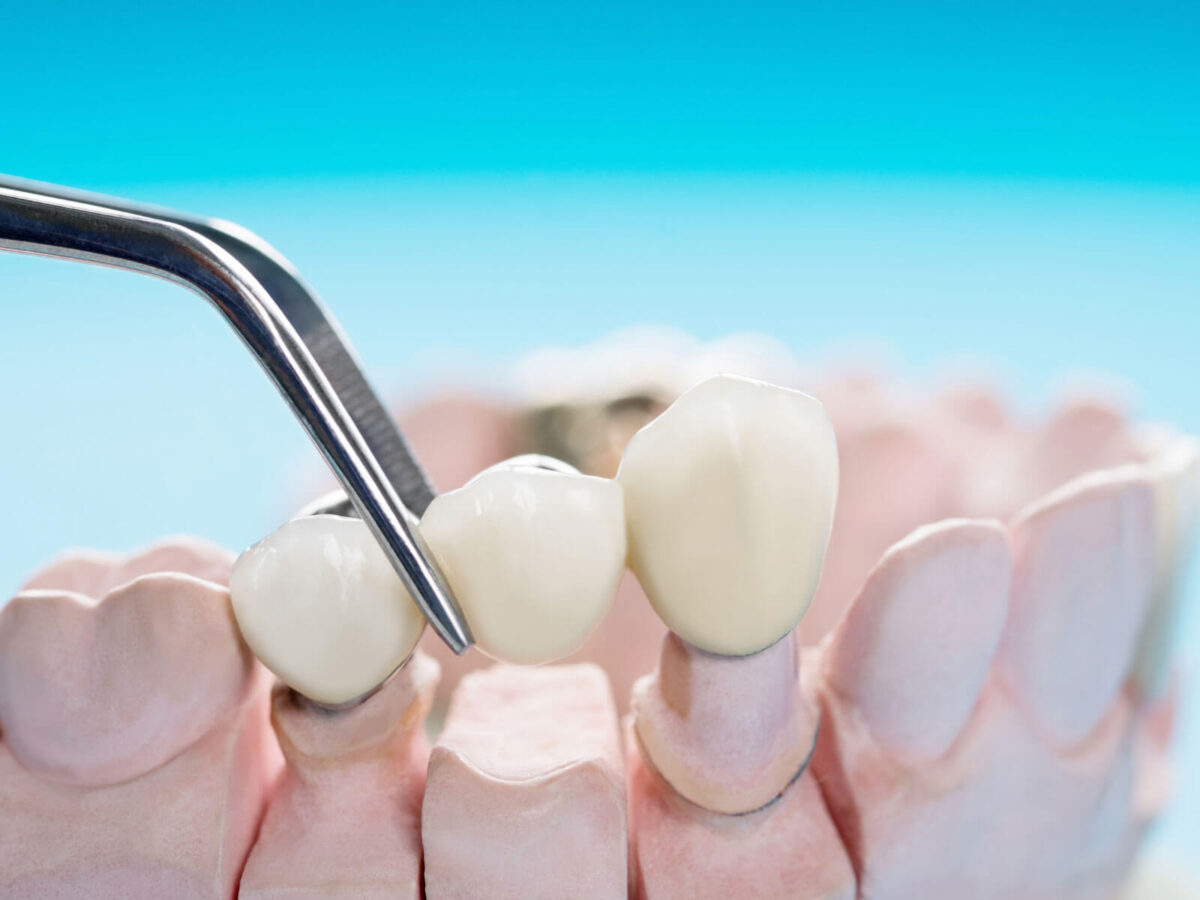
Comparing the Types of Dental Crowns: Materials, Cost & Durability
Most crown articles hand you a list of types of dental crowns. Options, price ranges, and how long each one lasts. Nobody explains how each material actually fails, which is the part that changes what you choose.
How a crown fails tells you more than what it costs. Chipping, fracturing, debonding, the tooth underneath giving out first. These are different problems with different implications, and the material you pick determines which one you’re most likely to be dealing with down the road.
When I needed a crown, I went looking for that information and kept finding the same list dressed up differently. What’s here is what I was actually trying to find.
TL;DR
- Walk into most dental offices, and you’ll be choosing between five types of dental crowns: PFM, all-ceramic, zirconia, gold, and composite resin.
- PFM porcelain chips over time. Zirconia holds up well but wears down the teeth it bites against. Gold outlasts everything but looks like gold.
- All-ceramic looks the most natural but can crack under the kind of force that zirconia and gold handle without issue. Composite resin tends to be the first one that needs replacing.
- Price and appearance are part of the decision. How each material breaks down is the part most people don’t find out until after the fact.
PFM – Porcelain Fused to Metal
PFM crowns have a metal substructure with a porcelain layer bonded on top. For a long time, they were what most dentists reached for, strong enough for back teeth and passable aesthetically for front ones.
Natural enamel lets light pass through it. PFM crowns don’t, and that’s noticeable on front teeth. The other thing that tends to show up over time is a grey line at the gumline as the gum recedes and the metal underneath becomes visible.
Most PFM crowns hold up for 10 to 15 years or longer. Cost typically falls between $1,000 – $1,800 depending on region and practice, and insurance tends to cover a portion.
The porcelain layer chips over time, particularly on back teeth where lateral chewing forces are highest. A review via NIH found porcelain chipping occurring in 2% to 10% of PFM crowns within five years, with higher rates in high-load positions.
All-Ceramic Crowns
All-ceramic types of dental crowns skip the metal entirely. Without a substructure underneath, light passes through the material the way it does with natural enamel, which is why these look better on front teeth than anything else available.
Lithium disilicate systems like e.max changed what was possible with ceramic. They’re considerably stronger than older porcelain options, and the ADA has acknowledged the durability improvements the newer ceramic systems have brought.
Most fall somewhere around $1,200 – $2,000. On front teeth with a stable bite, longevity is solid. Back teeth are where it gets more complicated.
Ceramic doesn’t chip the way PFM porcelain does. When it goes, it fractures. If you grind at night, have a deep bite, or are missing back teeth that would otherwise share the load, that fracture risk goes up and is worth talking through before the material gets decided.
Zirconia Crowns
Zirconia has become the most commonly placed crown material for back teeth over the last decade. It’s stronger than any other ceramic, requires less tooth reduction than PFM, and is tooth-colored. Most dentists placing crowns on back teeth are reaching for zirconia by default at this point.
Monolithic zirconia, solid zirconia without a porcelain overlay, looks good but not as natural as lithium disilicate. For molars that aren’t highly visible, that tradeoff is usually acceptable. Cost sits around $1,200 – $2,500.
Durability is excellent. Zirconia rarely chips or fractures under normal function, and ten-year survival data is strong. What doesn’t come up as often is what zirconia does to the teeth it bites against.
Zirconia is harder than natural enamel, and research shows it causes measurably more wear on opposing teeth than softer materials. A 2021 study via NIH found monolithic zirconia caused significantly more opposing enamel wear than other materials tested. For a single crown in a stable bite, this may be negligible. For multiple restorations or a patient already dealing with wear, it’s worth factoring in.
Which Crown Type Is Right for Your Tooth?
Material, bite, and location all determine the answer — not just preference.
Gold Crowns
Gold crowns are full metal and look exactly like what they are. That limits placement almost entirely to second molars and areas where aesthetics genuinely don’t matter.
In return, gold has the strongest longevity record of any crown material. Studies following gold crowns over 25 years show survival rates no other material has matched at comparable follow-up periods. The Cleveland Clinic notes gold remains the most durable option available by long-term data.
Cost typically runs between $1,500 and $2,500, varying with the metal market. The failure mode is gradual wear, which is by design. Gold wears at a rate close to natural enamel, making it the gentlest option on opposing teeth of any crown type among these types of dental crowns.
If you grind heavily, have already had a ceramic crown crack, or just want a back molar that isn’t going anywhere for the next two decades, gold is worth bringing up at the appointment.
Composite Resin Crowns
Composite resin is the most affordable of these types of dental crowns and the least durable. It wears, stains, and degrades under occlusal load faster than any other material. Most composite crowns show significant wear within five years.
Their legitimate use case is narrow: temporary crowns while a permanent restoration is being fabricated, or short-term solutions in specific cost-constrained situations where replacement is planned. As a permanent option where other materials are viable, the lower upfront cost tends to be offset by earlier replacement.
Cost sits around $900 to $1,500. If the plan is to replace the crown within a few years, that number works. If the expectation is long-term function, a more durable material placed once will likely cost less over a decade.
What Determines Which Crown Material a Dentist Recommends
The material recommendation isn’t arbitrary, and it isn’t purely cosmetic preference.
Location in the mouth is the first filter, with front teeth leaning toward aesthetics and back teeth toward strength. Bite pattern matters too: deep overbites, grinding habits, and missing posterior support all change which materials are appropriate. Remaining tooth structure affects which crown designs are even viable at a given thickness.
The opposing teeth matter in ways that don’t always come up in the appointment. Placing a hard ceramic against a natural tooth or a softer existing restoration affects wear on both sides of the bite over years, and a dentist weighing material options is factoring that in even when it isn’t mentioned out loud.
FAQ
What are the different types of dental crowns?
Five materials come up in most dental offices – PFM, all-ceramic, zirconia, gold, and composite resin. Pick one, and you’re making a trade-off between looks, strength, and how long it lasts.
Which crown material actually goes the distance?
Gold has the longest track record by a stretch, with studies following crowns past the 25-year mark. Zirconia and lithium disilicate are holding up well in the data that exists, but that data doesn’t go back as far yet.
Zirconia or porcelain – which one actually holds up better?
Zirconia handles the pressure of back teeth better than porcelain and is less likely to crack under load. On front teeth, lithium disilicate looks more natural. There’s no universal answer. It comes down to where the tooth sits and what the bite is doing.
What does a dental crown actually run you these days?
Somewhere around $900 – $2,500, depending on the material and where you’re getting it done. Insurance usually covers part of it, though the amount covered tends to lag behind what practices actually charge.
Conclusion
The types of dental crowns available today cover a wider range of situations than they did a generation ago, and the options at every price point are better than they were.
What goes into the recommendation isn’t just aesthetics. Where the tooth sits, how the bite closes, and what’s opposing it all play a role. Walking in with that picture already in your head puts you in a better position when the recommendation comes.
For Lavaca patients heading into that conversation, come in knowing the different types of dental crowns and what each one involves.
Want to Know Which Crown Material Fits Your Tooth
Get evaluated properly before the material gets chosen for you.