Blog
Dental hygiene tips for healthy teeth & gums
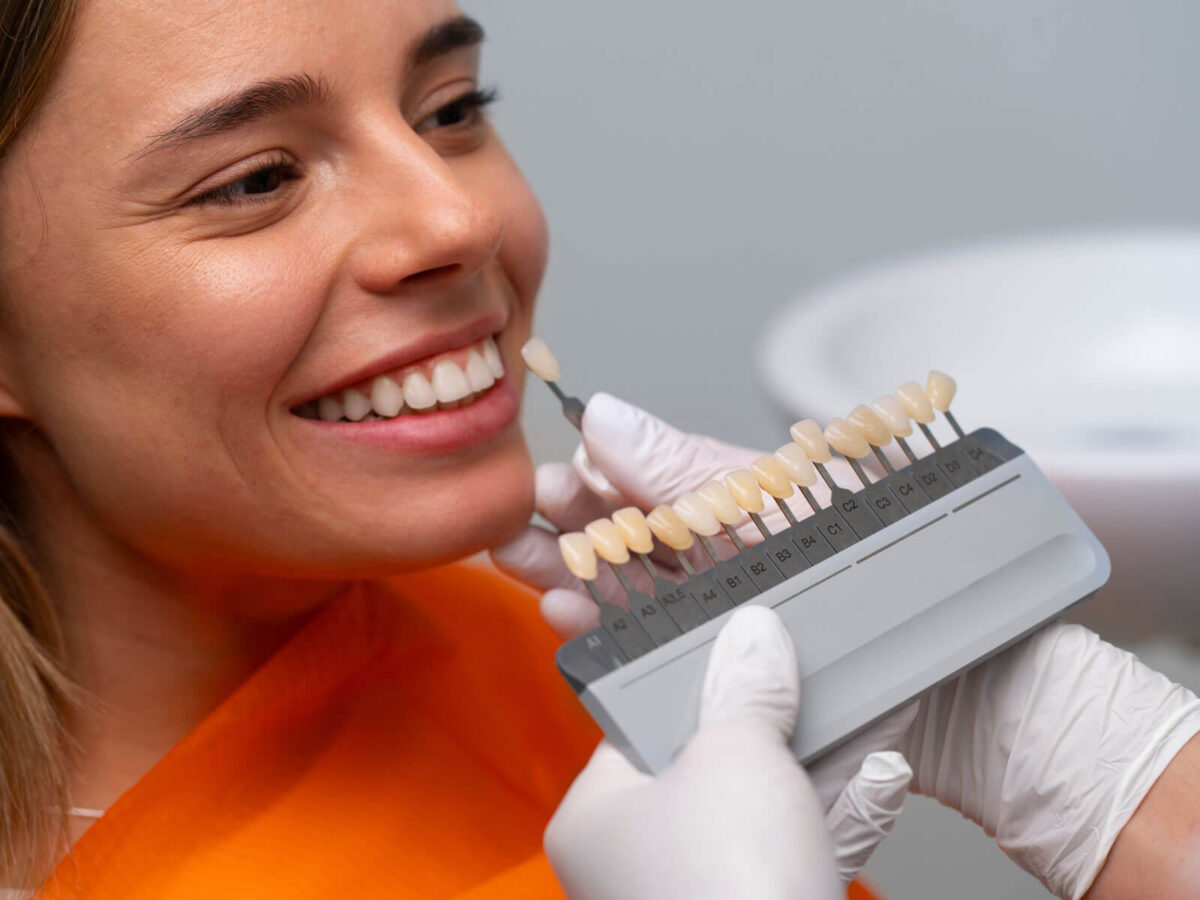
How Much Does a Dental Crown Cost in 2026?
My uncle got quoted $1,100 for a crown on a molar. His neighbor, same procedure, same general area, paid $2,600 a few months later.
Different tooth, different material, and neither of them realized how much that second detail actually mattered until they compared notes.
Dental crown cost varies enough that the number alone doesn’t tell you much. Material is usually the real reason two quotes land so far apart.
How Much Does a Dental Crown Actually Cost
Without insurance, a single crown typically runs $800 – $2,500 per tooth, based on 2026 pricing compiled from multiple dental cost surveys and consumer health platforms. Material stays the biggest single driver of where any given quote actually falls.
Some cosmetic cases push past $3,000, particularly on front teeth where shade matching adds real time to the lab work. That upper range isn’t rare or exploitative pricing. It reflects a genuinely more involved process than a standard back-molar crown.
What Is the Price of a Dental Cap by Material
Porcelain-fused-to-metal
The cheapest tooth-colored option, and the one dentists have leaned on the longest, is usually $800 – $2,000. It’s one real weakness that shows up years later. As gums recede, a thin dark line can appear right where the metal core sits underneath.
All ceramic or porcelain
No metal at all, and the closest match to how natural enamel catches light, running $1,000 to $2,500. Front teeth get this one more often than molars, mostly because it chips more easily than something built to withstand heavier bite force.
Zirconia
Somewhere around $1,000 – $2,700. Strong enough for a molar, good-looking enough for a front tooth these days, which is exactly why a lot of dentists default to it now rather than picking between PFM and the pricier ceramics.
Gold or metal alloy
The most durable material on this list, holding steady at $900 to $3,000, with gold’s own market price nudging the upper end higher lately. It’s also unmistakably metallic, so it stays mostly out of sight on back molars.
Stainless steel
Far cheaper than anything else here, $200 to $500, and almost never used outside of children’s baby teeth.
Does Insurance Actually Cover the Cost of a Crown Tooth
Usually, partially. Most dental plans treat a crown as major restorative work, covering roughly 50 percent of the allowed amount once a deductible is cleared. That typically brings real out-of-pocket cost down to somewhere around $500 – $1,000, depending on the material picked.
Annual maximums complicate things. A lot of plans cap total coverage around $1,000 – $2,000 a year, and one crown can eat most or all of that on its own, more if any other dental work already happened earlier in the same year. Choosing a pricier material generally doesn’t change what insurance pays either. Most plans reimburse a fixed amount no matter which material gets used, leaving the cost of the crown tooth difference between something like PFM and gold to the patient.
Molars vs. Front Teeth – Why the Price Gap
Every bite lands hardest on a back molar, which is why dentists tend to reach for zirconia or gold back there, materials built to survive that kind of daily wear. A front tooth calls for a different skill entirely, matching shade and translucency closely enough that the crown disappears next to natural enamel, work that adds lab time regardless of how structurally simple the material is.
Tooth condition shifts the price too. A molar needing a buildup or a post and core before the crown even goes on adds cost well beyond the crown fee itself, while an otherwise healthy front tooth tends to land closer to the baseline price for whatever material gets chosen, part of why dental crown cost swings so much even within a single mouth.
What’s Actually Included in a Standard Crown Fee
Most quotes bundle five things into one number – tooth prep, the temporary crown you wear while waiting, the lab-made permanent crown itself, shade matching, and the final cementation visit.
What that number usually skips is anything the tooth needed before the crown could even happen. A core buildup runs $150 to $500. A post and core for more extensive damage adds $250 to $650. A root canal, if the tooth needs one first, can run anywhere from $700 to $2,100. Confirming whether a quote is truly all-in, or whether any of that gets tacked on once the dentist actually opens up the tooth, is the single question that changes dental crown cost from an estimate into a real number.
Same-Day Crowns vs. Traditional Lab Crowns – Is There Really a Price Gap
Same-day milled crowns, produced chairside with CAD/CAM equipment, usually cost close to what a traditional lab crown runs for the same material, often within a couple hundred dollars either way.
Time and material selection separate the two more than price does. Same-day systems skip the temporary crown and second visit entirely, which matters if two appointments feel like a real burden. Traditional lab crowns still cover more material ground overall, since some premium ceramics and gold work aren’t practical for chairside milling yet, one more variable behind the swing in dental crown cost between offices offering different technology.
How Do You Actually Save Money Without Cutting Corners
Timing matters more than people think. If a crown isn’t urgent, waiting until after your insurance plan renews can reset your annual maximum, sometimes freeing up another $1,000 to $2,000 in coverage that a mid-year appointment would’ve missed entirely.
Ask about a payment plan before assuming you have to pay the full amount upfront. Plenty of practices break the balance into monthly installments with no interest attached, which matters more for a $2,000 crown than most people expect going in.
Dental schools are worth a call too, often 40 to 60 percent below private practice pricing for the same procedure, in exchange for a longer timeline and more supervision along the way. Between timing, payment plans, and where you get treated, dental crown cost has more give in it than a single upfront number suggests.
FAQ
Can you negotiate a crown price with your dentist?
Worth asking, especially if you’re paying cash or bundling more than one procedure into a single visit. Some offices have more room to move on price than their fee sheet lets on.
A crown looks fine after years. Does it still need attention?
A crown can hide decay underneath it for years. The margin, where the crown meets the tooth, is the usual entry point. X-rays pick it up even when the crown itself looks perfect.
General dentist or specialist – does it change the price much?
It can shift the number meaningfully. A general dentist typically charges less than a prosthodontist, though a genuinely complicated case might make the specialist worth the difference regardless of cost.
Two crowns, one visit. Does that save anything?
Occasionally, yes. Some practices knock a bit off the total when lab work and consultation time get shared across two crowns instead of being billed separately for each. Never hurts to ask before assuming the price just doubles.
Conclusion
There’s no single number for dental crown cost. There’s material, there’s the tooth itself, there’s insurance or the lack of it, and sometimes there’s work the tooth needs before a crown can even go on. Add those up differently, and the total moves by hundreds or thousands of dollars.
Most people ask about price after the appointment, once the bill’s already sitting in front of them. Asking beforehand works better. What material’s being used, what’s actually included, what happens if the tooth turns out to need a buildup once the dentist looks closer.
Call and ask those questions before booking anything. A number without that context isn’t really a quote yet.