Blog
Dental hygiene tips for healthy teeth & gums
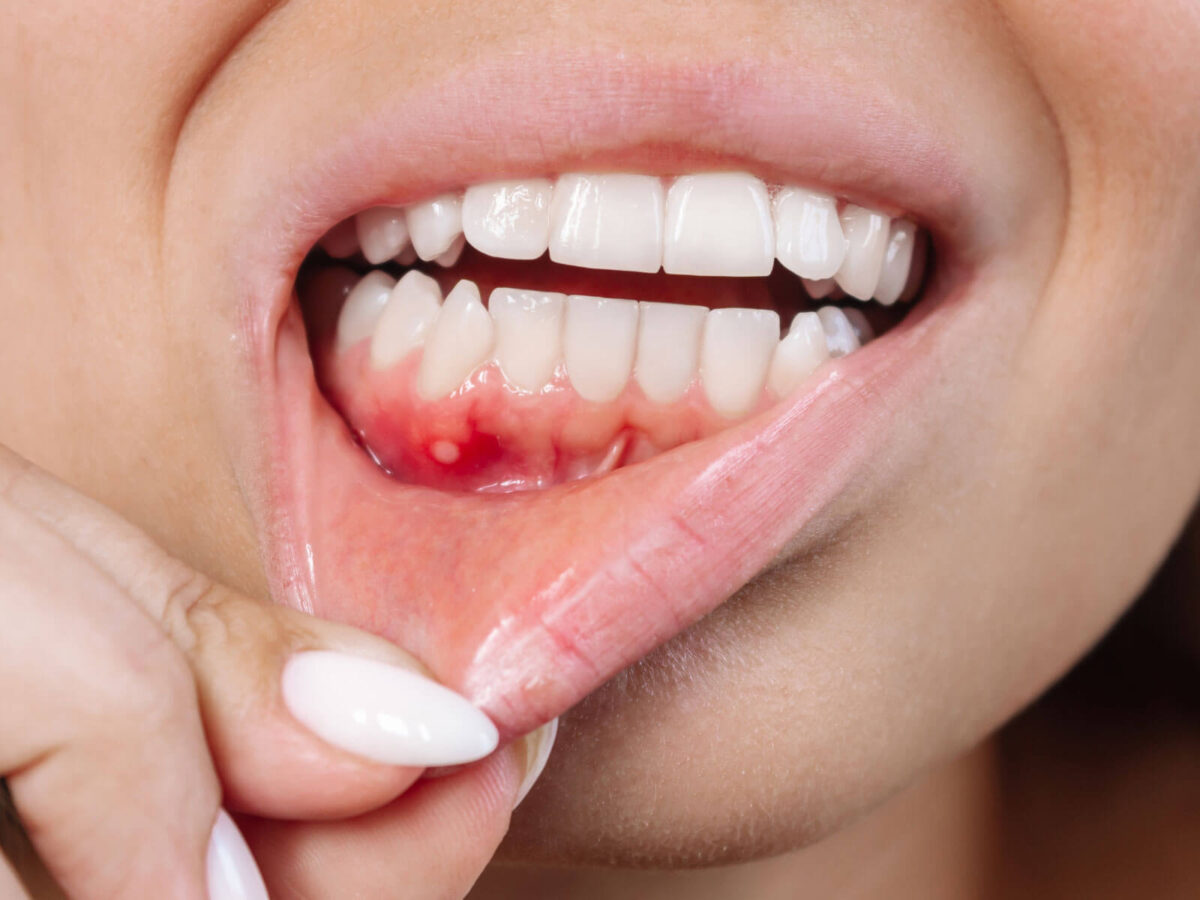
Gum Swelling: Causes, Symptoms, and Treatment Options
For many people, gum swelling starts quietly. It’s not sharp pain or sudden discomfort. It’s more like a small change you see while rinsing your mouth. Your gums look a little raised, or maybe they feel tight. You spit, and the water isn’t completely clear, and you can’t remember that happening before.
There isn’t always a clear “why” when it comes to swollen gums. There’s no clear “this is when it started” moment. No cracked tooth or accident. The difference builds slowly. You don’t notice it all at once. The gums feel slightly puffy, maybe more sensitive when you eat. Sometimes a single area feels sore and draws your attention. That’s when doubt sets in. Did you miss something? Brush too hard? Skip something? Even if your routine stayed the same.
Usually, gum swelling is a reaction. The gums are responding to irritation that may have been building quietly for days or even weeks. Inflammation is the body’s way of signaling that something isn’t quite balanced. Many people ignore swollen gums at first because they aren’t extremely painful. They wait. They hope it settles. And sometimes it does. But if the irritation continues, the swelling often stays, too.
What Usually Triggers Swollen Gums?
Plaque is the most common starting point. It forms daily, and if it isn’t fully removed, it stays along the gum margin. The gum tissue doesn’t ignore that. It reacts.
At first, the signs tend to be mild. You might notice the color looks slightly deeper and the gum line feels a little fuller. Brushing can bring up a small amount of blood. But since there is no pain, most people don’t think much of it.
Gingivitis develops this way. If you look at the data from the Centres for Disease Control and Prevention, you’ll see that nearly half of adults over thirty are living with some level of periodontal disease. That statistic sounds large, but it reflects how easily swollen gums can develop when irritation lingers.
Hormonal shifts can make gums more reactive. Certain medications can too. Even stress can influence how the body manages inflammation. But plaque near the gum line is usually the core factor.
Why Does Gum Swelling Sometimes Stay in One Spot?
There’s a difference between overall gum puffiness and swollen gums around tooth in one specific area. When it’s limited to a single spot, it tends to stand out more.
Sometimes it’s something simple. Food trapped between teeth, a spot that’s harder to floss, a filling that catches plaque more easily than expected. Other times it’s deeper. A cavity near the gum line can irritate the tissue quietly. Infection near the root can create pressure that shows up as swelling above it.
Localized swelling tends to persist if the source remains. It may look slightly raised compared to the surrounding gum tissue. It may feel tender when chewing. Not every case is severe. But when swelling doesn’t improve within a few days, it usually has a reason.
What Changes If the Swelling Is Ignored?
Gum swelling doesn’t usually disappear if irritation continues. The tissue may remain puffy. Bleeding may become more consistent. The gum line might start to look uneven. Pain still may not be obvious, and that’s part of the challenge. Gum problems often progress quietly.
The National Institute of Dental and Craniofacial Research has pointed out that gum disease in its early phase can often be reversed. But later stages usually call for more complex care.
The change from something minor to something more involved usually takes time. It doesn’t flip overnight. It often begins with something as simple as swollen gums, which is why it’s easy to put off. The problem is, the longer it’s ignored, the harder it can be to deal with later.
How Gum Swelling Affects Everyday Comfort
Gum swelling might seem minor at first, but you begin to notice it during daily habits. That one area feels sore when the toothbrush passes over it. Flossing may cause more bleeding than expected. Even chewing on one side can feel slightly different.
Sometimes people start avoiding the tender side of the mouth without realizing it. They chew more carefully. They brush more lightly in one spot. That adjustment might seem harmless, but it allows buildup to stay longer.
When swollen gums around tooth areas persist, small daily discomforts become routine. The tissue doesn’t get the chance to fully settle because the underlying irritation remains.
It’s rarely about one painful episode. It’s about subtle changes that continue quietly in the background.
What Do Dentists Actually Look For?
When someone comes in with gum swelling, the first step is observation. The colour of the tissue. The firmness. How the gums sit around each tooth.
If swelling is spread out, plaque buildup is often involved. If it’s limited to one area, that tooth may need closer attention. X-rays can show what isn’t visible above the surface.
When tartar is sitting along the gum line, getting it cleaned off usually helps more than anything you can do at home. After it’s removed, the tissue often begins to look and feel healthier again.
If deeper pockets are present, more detailed cleaning below the gum line may be needed. The swelling itself isn’t treated directly. The source is.
Can Home Care Reverse Gum Swelling?
Early on, simple habits can help. Keeping up with daily oral care often reduces mild swelling tied to plaque. It’s not really about brushing harder. Most of the time, pressing down just makes things feel worse. Slowing down and cleaning carefully along the gum line usually does more than scrubbing ever will.
Mouthwash has its place, but it can’t remove hardened deposits. Once tartar forms, professional care is usually needed. In some cases, swollen gums around tooth improve fairly quickly after the buildup is cleared. In other cases, it may take a bit more care before that spot settles down.
Why Are Swollen Gums More Common for Some People?
Some people notice gum swelling more often than others. Part of that comes down to brushing habits. Part of it is simply anatomy. Teeth that sit very close together can trap food more easily. Areas in the back of the mouth are harder to reach.
Hormones can make a difference, too. During pregnancy, for example, the gums may swell more easily, even if the plaque level isn’t very high. Some medications also change things by reducing saliva, and that dryness can make the gums more prone to irritation.
It doesn’t always mean someone is neglecting care. Sometimes the gums are just more sensitive to small changes. People who’ve experienced swollen gums once tend to recognise the signs a little sooner the next time.
FAQs
Is gum swelling always serious?
Not always. But it usually means the gums are reacting to something.
Can swollen gums around tooth areas mean infection?
Yes, particularly if they feel firm or painful.
Does it settle on its own?
Mild irritation sometimes does. Persistent swelling usually doesn’t.
Does better brushing fix everything?
It helps, but hardened buildup needs professional removal.
Conclusion
Often, gum swelling is simply the gums’ way of signaling that they’re irritated. It may start quietly. A little bleeding. Slight puffiness. A swollen area around one tooth. The swelling itself isn’t the full problem. It’s a signal. Identifying the cause makes the difference.
If you’re dealing with gum swelling, taking action early can save you stress later. Many times, the answer is simple when addressed right away. But if it keeps coming back or doesn’t improve, a dental check can clear up the uncertainty. Getting professional input sooner rather than later helps protect your gums and your teeth for the long run. Reach out and have it evaluated — peace of mind is worth it.