Blog
Dental hygiene tips for healthy teeth & gums
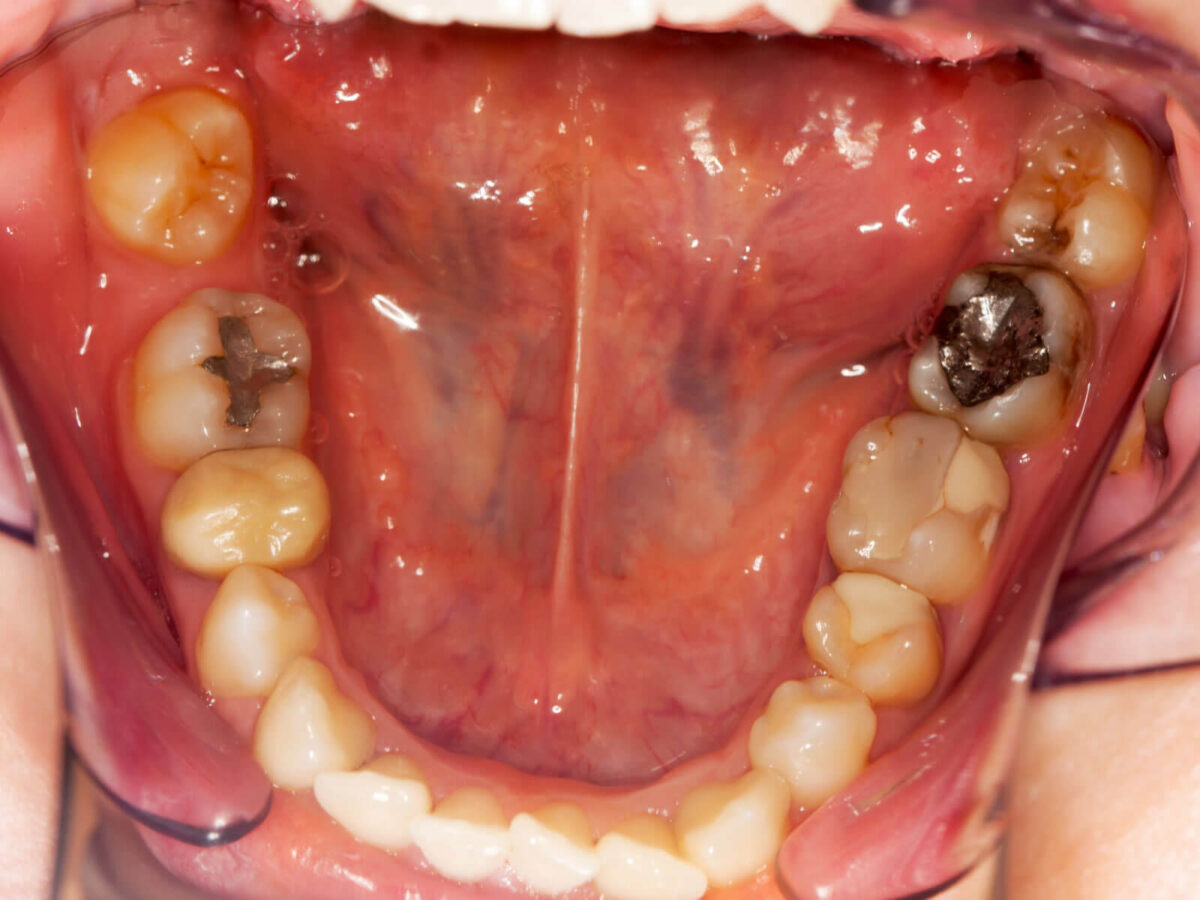
Does Getting a Tooth Filling Hurt?
Fillings are routine, but that doesn’t stop you from thinking about it when it’s your turn. You can hear “small cavity” and still feel your attention shift. Suddenly, you’re picturing the chair instead of the conversation.
That’s when the question shows up: Does getting teeth filled hurt? Most people don’t ask it right away. They think about it for a minute. They weigh whether they even want to know. But it’s usually there in the background.
A lot of the hesitation comes from old assumptions. Maybe something you remember from years ago. Maybe just the general idea of dental tools. The expectation tends to grow bigger than the reality, especially before you’ve actually experienced it.
Where the Fear Comes From
Much of the anxiety comes from uncertainty. If you don’t know what something feels like, your mind tries to prepare you for the worst version of it. Add a few secondhand stories to that, and the picture becomes exaggerated. Maybe someone defined their filling as terrible years ago. Maybe another person mentioned lingering sensitivity. Those small pieces of information tend to outweigh all the uneventful experiences people rarely talk about.
Today’s approach to fillings is built around comfort. When people ask, “Do tooth fillings hurt?” the real answer depends on how advanced the cavity is and how your body responds to anesthesia, but the intention is always the same. You should not be in pain while decay is being removed. You may feel vibration. You may hear the tools working. It’s more strange than painful for most people. And if you do feel a sharp spot, you’re not stuck with it. The dentist can pause and make it more comfortable.
What the Procedure Actually Feels Like
When the numbing works, you can tell. Your face can feel oddly heavy, like it’s bigger than it really is. Before doing anything, the dentist makes sure you don’t feel sharp spots.
As the decay is removed, you’re aware of what’s happening. There’s vibration. There’s sound. Sometimes that buzzing noise makes your shoulders tense more than the sensation in your tooth does. You feel pressure, but not the sharp sting people tend to expect.
Once the decayed part is gone, the dentist fills that space and shapes it so your bite feels normal again. There’s usually a light involved to set the material, and that part goes by pretty quickly. If you’re sitting there wondering, does a tooth filling hurt, most people later admit it wasn’t nearly as dramatic as they had pictured. It felt strange at times, sure, but not sharp or overwhelming.
After the Numbness Wears Off
This is where expectations matter. Once the numbness goes away, the tooth can feel slightly unusual for a while. Maybe a little sensitive when you bite down. Maybe aware of cold water for a day or two. That doesn’t automatically mean something is wrong.
According to the Journal of Dentistry, mild post-treatment sensitivity with composite restorations happens fairly often, but it typically doesn’t last long. Most cases resolve within days or a couple of weeks.
When people search for “do teeth fillings hurt”, they often imagine severe, lingering pain. That’s not typical. What’s more common is a mild awareness as the tooth adjusts.
Why Some Fillings Feel More Sensitive
Cavities aren’t all the same. When one is small and caught early, the appointment tends to be simple, and the tooth settles down quickly. If it’s deeper and closer to the nerve, though, the tooth might stay a little sensitive afterwards. It’s not because the filling caused damage. It’s because the tooth was already stressed.
When people ask, “Does getting teeth filled hurt”? They’re usually picturing the appointment, not what a cavity feels like if it keeps getting worse. Decay doesn’t pause while you wait. It progresses. When decay keeps progressing, it doesn’t just stay on the surface. It heads inward. Fixing it with a filling now can spare you a lot more trouble later.
The Emotional Layer That’s Harder to Explain
For some people, the fear isn’t logical. It’s emotional. Maybe there was a difficult dental visit years ago. Maybe someone once didn’t get fully numb and remembers that sharp sensation clearly. It’s hard to shake those memories once they form.
Modern techniques allow for more precise anesthesia delivery. Dentists can add more numbing solution if needed. There is no expectation that you endure discomfort quietly.
The question do tooth fillings hurt carries more emotion than it seems. It isn’t always just about pain. Sometimes it’s the setup itself. You’re leaning back, mouth open, not really able to speak, just waiting while someone works. That feeling can make your body tighten without you realizing it. Sometimes it’s the setup of the situation, not the filling itself, that creates most of the anxiety.
What Happens If You Delay Treatment
This isn’t a warning. It’s simply worth keeping in mind. The Centres for Disease Control and Prevention note that untreated cavities are still widely seen. They are one of the most common chronic conditions across all age groups.
Decay doesn’t pause on its own. Over time, it can travel inward and affect the inner part of the tooth. When that happens, pain usually increases and treatment becomes more involved. In some cases, it goes beyond a filling and requires root canal therapy. When asking does getting teeth filled hurt, it helps to compare it to the alternative. Early treatment is almost always simpler than delayed treatment.
Communicating During the Appointment
One of the most reassuring truths about modern dentistry is that it’s collaborative. If you feel anything sharp, you can raise your hand. The dentist can pause. More anesthesia can be administered.
Adjustments can be made. You are not locked into discomfort.
Understanding that reduces anxiety for many people. The procedure is not something happening to you. It’s something happening with your awareness and consent. That alone changes how the experience feels.
FAQs
Is it painful during the appointment?
Most people say it isn’t. It feels strange, yes, but not sharp. You’re aware something’s happening, but the numbness does its job.
Will I be sore after?
Maybe a little. Some teeth feel sensitive for a short while, especially with cold drinks or pressure. It usually fades pretty quickly.
Does a deeper cavity mean more pain?
Deeper spots sometimes take longer to calm down afterwards. But while the filling is being done, the anesthesia handles the pain part.
Is getting a filling worse than leaving it alone?
Usually not. Cavities tend to get more uncomfortable the longer they sit. A filling is often the easier part of the whole situation.
Final Thoughts
So, does getting teeth filled hurt? For most people, no. Not in the way they fear.
The idea of pain is often larger than the reality. The procedure is designed to remove decay and restore comfort, not create suffering. Once everything wakes back up, it’s common to feel a little sensitivity at first. Most people leave, recognizing it wasn’t close to what they had imagined beforehand. And in many cases, that realization changes how they feel about future visits.
There’s no rush. But you also don’t have to keep wondering about it for weeks. If you’ve been wondering whether a filling will hurt, bring that up directly. Dentists hear that question every day. The earlier a cavity is treated, the easier the appointment tends to be. And once it’s behind you, you’re not carrying that question around anymore.