Blog
Dental hygiene tips for healthy teeth & gums
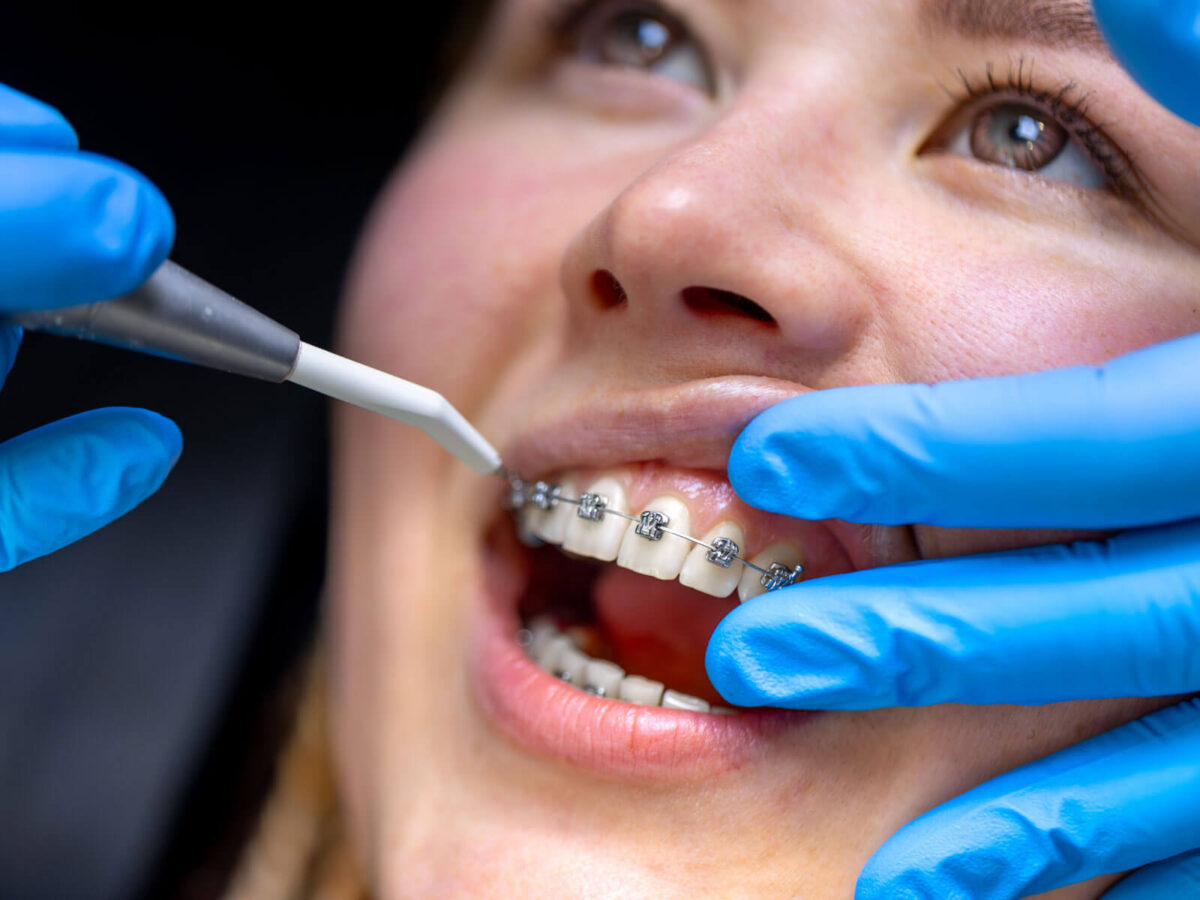
How Much Do Braces Cost in 2026? Average Price by Type
Average cost of braces is one of those searches where you’re hoping for one clean number, and instead you get a range so wide it barely feels useful. That’s not because anyone’s hiding anything. It’s because the price depends on the case, the location, and which type of braces someone ends up going with.
I’ve had a few people ask me some version of “just tell me the number” over the years. The real answer is always some version of “it depends,” which is annoying to hear but also just true. Below is what actually drives that number up or down, plus real ranges for each brace type, so nobody’s walking into a consultation completely blind.
TL;DR
The number swings hard depending on the type. Average cost of braces for basic metal starts around $3,000. The lingual, the priciest fixed option, can run past $13,000.
Type matters a lot here, but so does case complexity and where someone lives.
Insurance helps more often for kids than adults, and even then it’s usually a percentage or a fixed benefit rather than full coverage. HSAs and FSAs quietly lower the real cost too, just by paying with pre-tax dollars.
Most orthodontic offices offer payment plans now, often interest-free in-house. Asking about all-inclusive pricing upfront, or a discount for paying in full, can shave real money off the total. A handful of nonprofit programs cover treatment entirely for kids who qualify.
What Determines the Price of Braces
Case complexity is probably the single biggest factor, more than people expect going in. A mild spacing issue might run $3,000 to $4,000. A severe bite correction, one needing surgery or years of adjustments, can push past $8,000 even with the same type of braces.
Location matters too. Braces in a major city can cost $1,000 to $2,000 more than the same treatment in a smaller town, mostly a reflection of what it costs to run a practice in that area. Still, the type of braces chosen moves the number more than almost anything else on this list.
How Long Does Treatment Length Affect Cost
Longer treatment costs more, plain and simple. Every extra month means another adjustment visit, another slice of the orthodontist’s schedule, another set of small tweaks to keep everything moving toward the final result.
A case estimated at 12 months might land closer to $3,500. Stretch that same type of braces out to 30 months for a more complicated bite, and the total can climb well past $6,000, even before factoring in anything unusual like a broken bracket or a missed appointment that pushes things further out.
I’ve seen a simple spacing case wrap up in under a year, and a full bite correction with jaw involvement drag on closer to three, with the price tag stretching right along with it.
What’s the Average Cost by Braces Type
Traditional Metal Braces. Usually the most budget-friendly option, generally $3,000 to $7,000 for a full course of treatment. Most orthodontists still start here for complex cases, cost aside, just because metal handles heavy movement well.
Ceramic Braces. A bit more than metal, often $4,000 to $8,500. Tooth-colored brackets cost more to manufacture and place.
Lingual Braces. The most expensive fixed option by a good margin, generally $5,000 to $13,000. Each bracket gets custom-made to fit the back of a specific tooth, which is where most of that price comes from.
Clear Aligners. Usually falls between metal and lingual, often $3,000 to $8,000 depending on brand and how many trays a case needs. I’ve seen mild spacing cases finish near the bottom of that range and more complex bite corrections push well past the middle.
None of these numbers are guarantees. They’re a starting point for the conversation someone will actually have at a consultation, not a substitute for one.
Wondering What Your Braces Would Actually Cost?
Get a personalized estimate based on your case. No guessing, just a real number.
What’s the Deal With Braces Cost With Insurance
Braces cost with insurance varies a lot depending on the specifics of a person’s plan. There’s no single answer here. Some plans cover a flat percentage of the treatment cost. Others provide a fixed dollar benefit regardless of the total. Some don’t cover orthodontics at all.
The AAO recommends contacting an insurance provider directly to sort out the covered percentage, any lifetime maximum on orthodontic benefits, and the in-network requirement. That last part trips people up more than expected. Going out-of-network can quietly shrink coverage even on a plan that technically includes orthodontics.
Kids under 18 tend to have an easier time here. A family plan is more likely to cover a teenager’s braces than an adult’s. That’s worth confirming directly rather than guessing either way.
Do HSAs and FSAs Actually Help
They do, more than most people expect. Paying with pre-tax dollars lowers the real cost of treatment, no insurance involved at all.
The AAO notes that FSAs typically come with a use-it-or-lose-it rule within the calendar year. For multi-year treatment, that means timing contributions carefully instead of front-loading everything into one year and losing whatever doesn’t get spent.
What Are the Options for Braces Payment Plans
Braces payment plans show up in most orthodontic offices now, and they’ve gotten more flexible over the years. In-house financing is the common one, spreading the total cost over months or years, usually with something down upfront and little interest on the balance.
Third-party financing is another route when in-house options don’t fit. Interest rates vary more here, but the repayment windows tend to run longer, and approval often moves faster.
I’ve heard people get surprised by what’s included in a plan and what isn’t. Retainers get bundled in sometimes. Emergency visits, other times not. Every adjustment appointment covered under one plan, billed separately under another. Worth asking exactly what’s covered before signing anything, since the monthly number alone doesn’t tell the whole story.
What’s the Cheapest Way to Get Braces
The cheapest way to get braces usually starts with one question at the consultation: is this all-inclusive pricing? Appointments, retainers, repairs, all bundled or all separate makes a real difference to the final total. Paying in full at the start sometimes earns a discount too, if that’s financially possible. It saves the practice the hassle of managing a payment plan.
Multiple family members starting treatment around the same time can sometimes unlock a discount as well. Worth asking about directly. Most practices won’t volunteer it.
Cost shouldn’t be the reason a kid never gets treatment. The AAO’s Gifted Smiles program exists specifically for that. Smiles Change Lives and Smile for a Lifetime run comparable programs. Same idea, different name, treatment for kids under 18 who otherwise wouldn’t get it.
FAQ
What actually makes one person pay more?
Complexity and treatment length are the biggest factors. A severe bite correction simply takes longer and needs more visits than a mild spacing issue.
Does insurance ever cover the full cost of braces?
Rarely. Most plans cover a percentage or a fixed benefit amount. Some out-of-pocket cost is normal even with good coverage.
Are payment plans interest-free?
Often, for in-house plans specifically. Third-party financing varies more, and interest depends heavily on the lender.
Should you just ask for a discount?
Yes. Discounts don’t always get advertised. Ask about upfront payment, multiple family members starting together, or referrals. Plenty of practices say yes when someone actually asks.
Conclusion
The Average cost of braces comes down to type, complexity, and how someone ends up paying for it. Metal starts cheapest, lingual runs highest, and everything else falls somewhere in between depending on the case.
Insurance sometimes helps, more reliably for kids than adults, and even then it’s rarely full coverage. HSAs and FSAs quietly reduce the real cost by letting someone pay with pre-tax dollars. Payment plans are common now, and a quick question about all-inclusive pricing, or a discount for paying upfront, can knock a real amount off the total.
Nothing here replaces an actual consultation. The ranges are a starting point. A number tied to a specific case only comes from someone actually looking at it.
Ready to Find Out Your Real Cost?
Get a personalized quote and payment options. One visit gets you real numbers, not estimates.