Blog
Dental hygiene tips for healthy teeth & gums
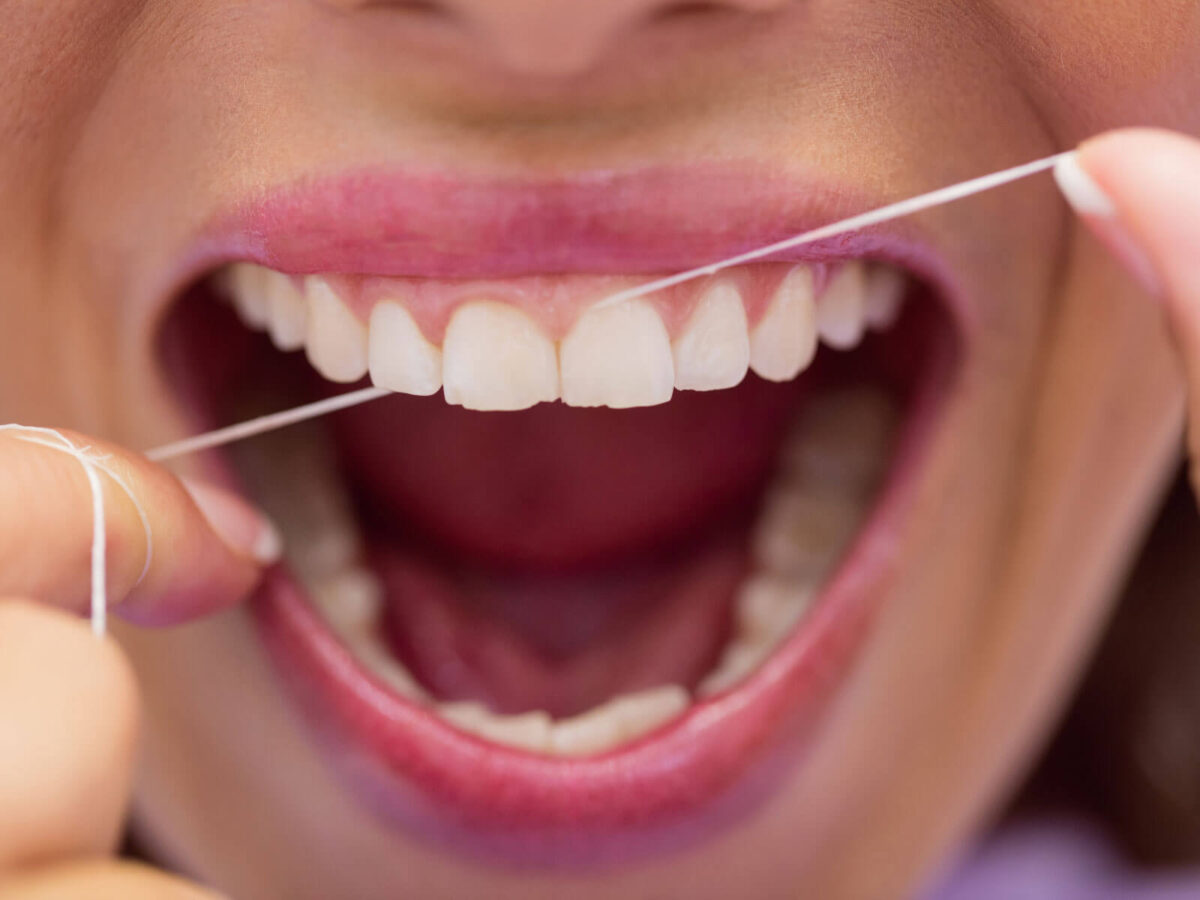
How to Brush and Floss With Braces: Step-by-Step Guide
Brushing and flossing with braces changes more than your smile. It changes how you have to clean your teeth. Most people don’t adjust their technique right away, and that gap is usually where the permanent white spots come from once the braces finally come off.
There are more surfaces to clean, more angles to work around, more places for food to get stuck than most people are used to.
A friend of mine got braces at 29, later than most people. She said the brackets weren’t the hard part. It was retraining her hands to floss differently, every night, for about two weeks before it finally clicked. That’s pretty typical from what I’ve heard. Clumsy at first, then it’s just what you do.
TL;DR
Brushing and flossing with braces takes more time and a different technique. Brackets and wires give food and plaque a lot more places to hide than bare teeth ever did.
Brush after meals when possible, angling the brush at 45 degrees around each bracket, for a full two minutes. String floss won’t slide under the wire on its own, so a threader or water flosser does the actual work.
Full walkthrough below, along with the tools worth having on hand.
Why Does Oral Hygiene With Braces Matter So Much
Oral hygiene with braces isn’t optional, even on the nights you’re exhausted and just want to go to bed. Brackets and wires trap food in a way bare teeth never do, and trapped food turns into plaque fast.
Leave that plaque sitting around long enough, and cavities show up.
So does bad breath, along with those permanent white spots from enamel that demineralized under a bracket. A cavity is also more annoying to deal with mid-treatment. An orthodontist sometimes has to pop part of the bracket off to let the dentist in, which can push the whole timeline back.
Gum disease deserves attention too. I’ve heard orthodontists mention that inflamed gums can actually interfere with how well teeth respond to the pressure braces apply. Bad hygiene isn’t just a risk to the teeth on their own. It can slow down the entire reason someone got braces in the first place.
How Often Do You Actually Need to Brush With Braces
The textbook answer is after every meal, but almost nobody manages that. Life gets in the way; lunch happens at a desk, in a car, somewhere a toothbrush just isn’t an option.
The ADA’s actual recommendation is twice a day, morning and night. That’s the real floor, and it’s enough on its own. If lunch is a lost cause, a quick rinse with water for thirty seconds keeps food from sitting against the brackets until evening.
Missing “after every meal” over and over gets discouraging fast. Two brushings a day, done right, every day, beats an ambitious plan that only half happens.
How Do You Brush With Braces, Step by Step
Step 1: Swish some water around first. A few seconds clears the loose stuff before the brush shows up.
Step 2: Angle the brush; don’t go in flat. About 45 degrees, bristles toward the gum. Up for the top half of each bracket, down for the bottom half. That little ledge above and below the bracket is exactly where food sits, and going in straight-on skips it completely.
Step 3: Take real time on each tooth. A few seconds per tooth, not a quick sweep across three at once.
Step 4: Cover every surface. Outside, inside, the chewing surface. Most people only really clean the front.
Step 5: Brush for two full minutes. A timer helps. Two minutes stretches out longer than expected once every bracket surface is factored in.
Step 6: Check in the mirror. A small handheld mirror catches what a bathroom mirror alone won’t, particularly around the back teeth.
Struggling to Keep Your Braces Clean?
Get personalized tips from your orthodontist. A quick visit can make the whole routine easier.
What’s the Best Toothbrush for Braces
The best toothbrush for braces comes down to bristle shape more than any particular brand. A soft-bristled brush with bristles that dip in the middle, instead of sitting flat, wraps around brackets rather than just skimming over them. Some are sold specifically as orthodontic brushes.
Electric toothbrushes work well too. A lot of people find them easier once braces are involved. The brush does more of the actual work. Guide it along the same angle as a manual brush – roughly 30 seconds per quadrant – and it covers everything without needing to rush.
Most dentists say a toothbrush is done after three to four months. Cleveland Clinic backs that up as general guidance, and braces push that number down. Bristles catching on wires and brackets all day wear out sooner than they would otherwise.
Does the Toothpaste You Use Actually Matter
Not much, really. Brand and flavor mostly come down to preference. Fluoride is the one thing that actually matters. The ADA recommends fluoride toothpaste for anyone with braces, since brackets create more places for plaque to sit than bare teeth ever did.
Skip fluoride long enough with braces on, and that’s exactly how white spot stains show up.
Whitening toothpaste is worth skipping while braces are on. It works unevenly around brackets, and once they come off, the difference between the covered and exposed enamel can actually stand out more than it would have otherwise.
How Do You Floss With Braces
This is the part most people dread, mostly because the wire physically blocks floss from sliding between teeth the normal way.
Step 1: Thread the floss under the wire. A floss threader, a small plastic loop, does the actual work. Push it under the wire between two teeth, thread the floss through the loop, then pull it out the other side.
Step 2: Floss like normal once it’s through. Slide it up and down against each tooth, curving slightly to hug the surface, same motion as flossing without braces.
Step 3: Repeat for every single gap. No way around this part. Each space gets its own thread-through, one at a time, tooth by tooth.
Step 4: Swish some water around when done. Clears out whatever the floss knocked loose.
Threaders aren’t the only option. The ADA points to water flossers as another way to reach the spots string floss tends to miss around brackets and wires. Interdental brushes work too, small enough to fit between teeth and slide right under the wire. For anyone who dreads threading floss every night, either one is worth trying instead.
FAQ
How long does brushing take with braces compared to before?
A few extra minutes. Figure two minutes minimum, sometimes closer to three or four with careful technique.
Do water flossers work?
Yes, and plenty of people with braces prefer it. It gets under the wire more easily than threading string floss by hand every time.
What actually happens if I skip flossing with braces on?
Plaque builds up fast around the brackets. Cavities show up first, usually. Gum disease and those white spot stains follow if it keeps going, and the stains can stick around even after the braces come off.
Is an electric toothbrush better than manual with braces?
For most people, it’s just easier, not necessarily better on paper. Either one works fine with consistent angling and timing.
Conclusion
Brushing and flossing with braces means more angles, more time, and tools the old routine never needed – a threader or water flosser, a brush that actually gets under the wire. None of it’s complicated. It just has to become habit.
More effort now, a straighter smile later. It stops feeling like extra work after a few weeks.
Anything past that point – still clumsy, bleeding gums, white spots forming – is worth bringing up at the next orthodontist visit instead of guessing at what’s going wrong.
Want Personalized Guidance for Your Braces?
Get hands-on tips at your next visit. We’ll help you find a routine that actually works for you.