Blog
Dental hygiene tips for healthy teeth & gums
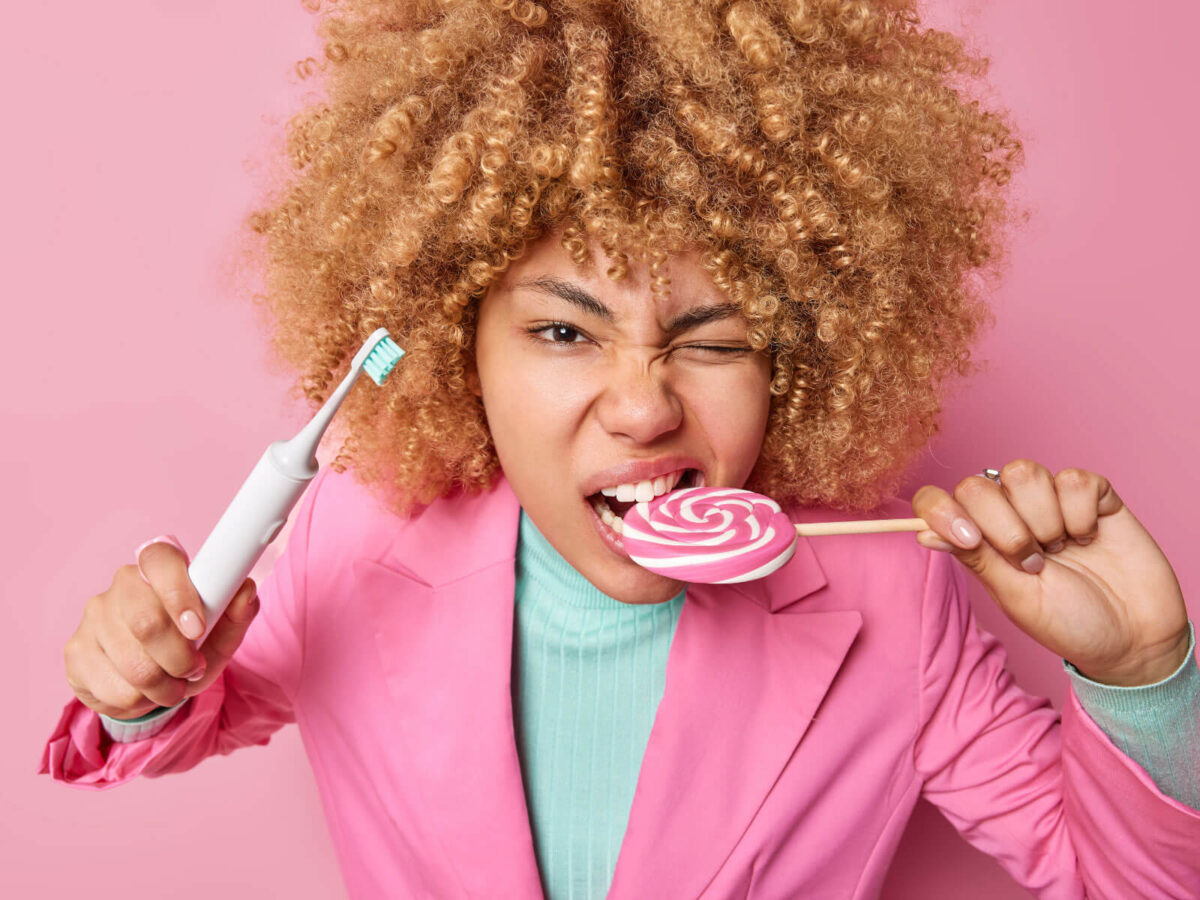
Worst Foods for Your Teeth: Sugar, Acid, Starch & More to Avoid for Better Oral Health
My aunt gave up soda years ago, convinced that it fixed her cavity problem. She still gets two or three new ones every checkup. Her dentist finally asked about her snacking habits and found the real culprit, potato chips, eaten slowly, most afternoons, sitting between her teeth for hours.
Foods bad for teeth aren’t always the ones people expect. Sugar gets most of the blame, but starch and acid do damage through mechanisms that don’t always look obviously “bad” on a nutrition label.
What Actually Makes a Food Bad for Your Teeth
Three separate mechanisms cause most dental damage, according to the ADA’s own breakdown of the worst offenders for tooth decay. Sugary drinks sit between teeth and feed decay directly.
Acidic drinks and foods work differently. They erode enamel straight on contact, no bacteria needed to get the damage started. Sticky foods and fermentable carbs, bread and pasta included, take a third path: they break down into sugar right in the mouth and cling to teeth long after the food’s been swallowed.
That third category surprises people most. A cracker isn’t sweet, but it turns into simple sugar within minutes of chewing, and it lodges in the same grooves and crevices as some of the most well-known foods bad for teeth.
Why Sugary Drinks Rank at the Top
Soda, sports drinks, energy drinks, fruit juice – all sit high on nearly every dentist’s list, and it’s not just the sugar content. The ADA specifically warns against sipping sugary drinks slowly, since drawing them out gives bacteria more time to feed on the sugar and produce acid, longer exposure than finishing a drink quickly ever creates.
Most sodas add a second problem on top of sugar. Phosphoric and citric acids don’t need bacteria at all to wear away enamel. A diet soda skips the sugar, but the acid’s still doing its own damage regardless.
What Makes Starchy Foods More Dangerous
Potato chips don’t taste sweet, so nobody eats them with their guard up. But the starch turns into sugar fast, within seconds of chewing starting. The crumbs get stuck in molar grooves too, sometimes worse than candy does. White bread and crackers act the same way. They just don’t look like a problem the way a candy bar does.
Dried fruit causes the same confusion. Apricots, raisins, and figs get treated as the smart snack choice. Get one stuck between two molars, though, and it behaves almost exactly like caramel. My aunt kept dried figs at her desk for years, sure she’d made the healthy swap the whole time, when in reality figs sit right alongside the worst foods that damage teeth on any real list.
Can Acid Damage Teeth Without Any Sugar Involved
Yes. Citrus, wine, coffee, a dressing heavy on vinegar. None of them need bacteria to cause damage. The pH in your mouth just drops on contact, and enamel softens right away. A sugar-free soda still does this through citric acid alone. “Sugar-free” on the can just means one less problem, not zero.
How fast you drink it matters too. Finish a glass of orange juice in two minutes, and saliva gets a window to recover before the next hit. Sip that same glass across a whole morning instead, and it never gets that window at all, which puts acidic drinks right up there with the more obvious food harmful for teeth most people already avoid.
Does Candy Actually Deserve Its Reputation
Mostly, yes, though not evenly across all candy. Hard candy poses a mechanical risk on top of the sugar exposure, since biting down on something that hard can chip a tooth outright. Sticky candy like caramel behaves similarly to dried fruit, clinging to grooves and crevices well past when it’s actually eaten.
Chocolate is the one real exception in most dental guidance. Dentists have noted it washes off teeth more quickly than other candy, and dark chocolate specifically carries a lower sugar content than most alternatives, one small reason it doesn’t rank alongside the worst foods that damage teeth on most lists.
What About Drinks Beyond Soda
Alcohol dries out the mouth, and reduced saliva flow removes one of the mouth’s main defenses against both acid and bacteria. Coffee and tea carry their own acidity too, though green and black tea specifically contain polyphenols that can actually work against plaque bacteria, a rare case where a stain-causing drink also offers some protective benefit.
Sports drinks combine sugar and acid in the same bottle, marketed around hydration and performance in a way that obscures how similar they are to soda for dental purposes.
Does Ice Chewing Actually Count as a Food Risk
It does, mechanically rather than chemically. Ice carries no sugar and no acid, but it’s hard and unforgiving, and chewing it, rather than letting it dissolve, can crack a tooth or damage an existing filling.
Sucking on ice chips avoids that risk entirely, since the damage comes specifically from the chewing motion, not the ice itself, which puts it in a different category from most of the foods bad for teeth covered so far.
How Does Your Mouth Actually Recover Between Meals
Saliva is doing most of the repair work, quietly, the whole time. It carries calcium and phosphate back into enamel that acid has already stripped some minerals from. Cheese, milk, plain yogurt, all of it helps that process along, both by getting saliva flowing more and by supplying the same minerals saliva’s trying to redeposit.
That recovery window is exactly what constant snacking interrupts. A few dedicated mealtimes give saliva real time to work between exposures. Grazing all day on the same total amount of food, spread thin, gives it almost none, which is part of why timing matters as much as which foods bad for teeth actually end up on the plate.
What Foods Actually Help Rather Than Harm
Apples get called nature’s toothbrush for a reason. Chewing one, or a carrot, or a stalk of celery, scrubs the surface a little just from the fibrous texture working against enamel. UIC’s College of Dentistry backs this up, noting that fibrous fruit increases saliva flow enough to help neutralize acid left behind from eating.
Cheese and other dairy products round out the short list of actually protective foods, both for the mineral content and for how effectively they trigger saliva production compared to something dry or starchy, standing in real contrast to most of the food harmful for teeth covered so far.
FAQ
Does sugar-free soda still stain or damage teeth?
Damages, yes. Staining’s less of an issue without the coloring in regular soda, but the acid’s still there. Phosphoric, citric, whichever, it doesn’t need sugar to wear down enamel.
Why does grazing all day hurt more than three regular meals?
Because saliva only gets a chance to repair anything in the quiet periods. Snacking nonstop removes the quiet periods. Same total food, worse outcome.
Worth rinsing with water when there’s no toothbrush around?
A rinse doesn’t clean as a toothbrush does. It just cuts down how much sugar is left sitting on your teeth.
What about dark chocolate? Is it really better?
It holds up better than most. Doesn’t stick around the mouth the way caramel or gummy candy does, and the higher the cacao, generally the less sugar there is to worry about.
Conclusion
Foods bad for teeth span a wider category than most people assume going in – sugar, sure, but also starch, acid, and stickiness working through entirely different mechanisms. What matters more than any single ingredient is how long a food actually sticks around. A soda passes through in minutes. A cracker or a handful of chips can sit wedged in a molar for hours after the last bite.
That’s the real measure to pay attention to – contact time, not just whether something tastes sweet. A quick treat followed by water often does less damage than a “healthy” snack that lingers in the same spot for an hour.
Book a cleaning or consult with your dentist to find out which of your own habits might be doing more damage than you’d expect.