Blog
Dental hygiene tips for healthy teeth & gums
How Much Do Dental X-Rays Cost?
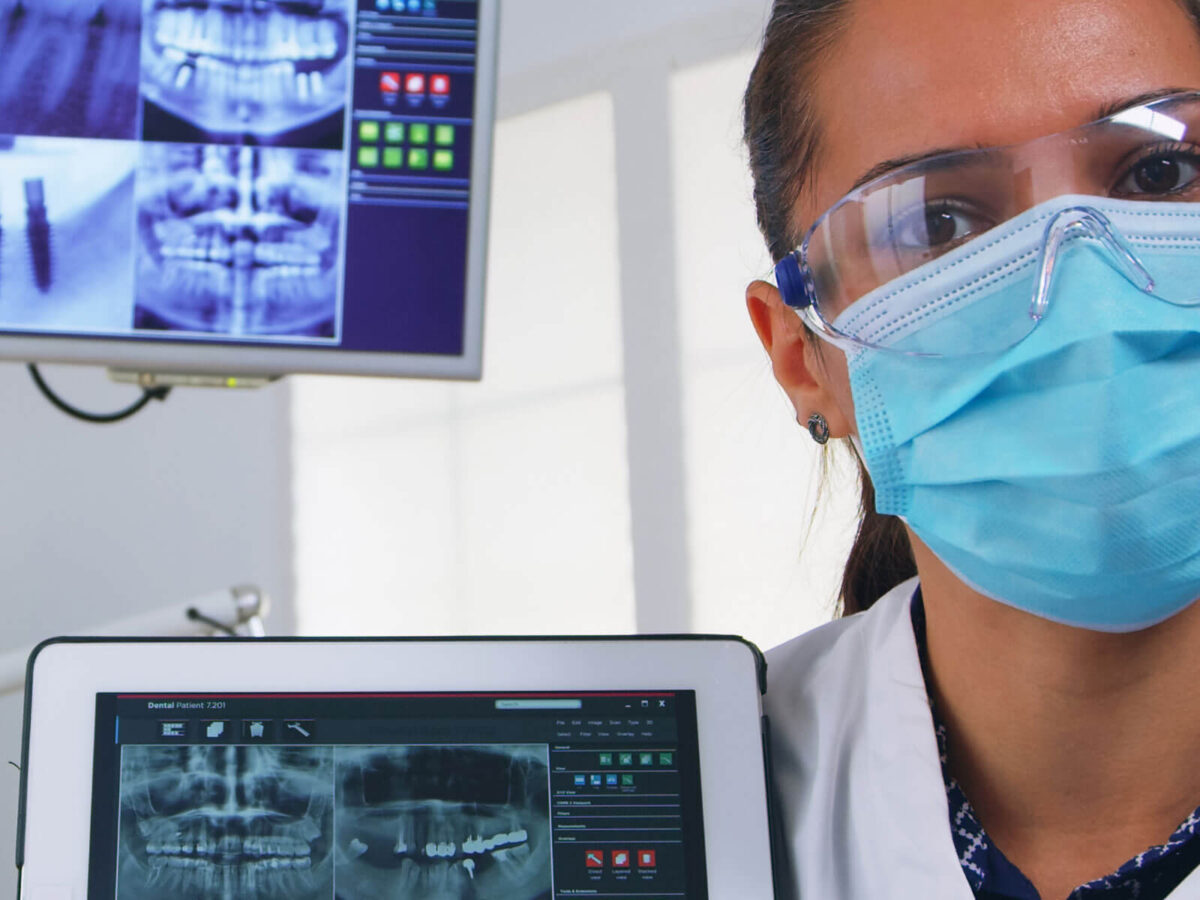
What Dental X-Rays Actually Include
Dental X-rays often feel like a small part of a visit. They are quick and feel like routine. Something done without much thought. Still, there is more going on than it seems.
The cost of dental X-rays is not just about taking a picture. It includes the equipment, the setup, and the dentist’s interpretation. That last part matters more than most people expect.
You sit in the chair. A sensor is placed. A few images are taken. It takes only minutes. Behind that moment, there is technology designed to capture details that cannot be seen with the eye alone. Dentists rely on these images to make decisions. Without them, many issues would stay hidden.
The American Dental Association explains this clearly. Dental X-rays can pick up cavities, bone loss, and infections. These are things that don’t always show up during a regular exam.
Why The Cost Of Dental X-Rays Is Not Always The Same
The cost of dental X-rays isn’t the same for everyone. There’s no standard price you can rely on. It usually depends on a mix of factors, and each one adds something to the final amount.
The type of X-ray is a big one. A simple image of one tooth is usually on the lower side. But full-mouth scans or panoramic images tend to cost more. Where the clinic is located also plays a role. In larger cities, expenses are higher, and that can push prices up.
Then there’s the equipment. You’ll find some clinics using modern digital systems. Others haven’t upgraded yet. It may not seem important. Still, it can shift the overall cost.
What Types of X-Rays Are Usually Used
Not every situation uses the same X-ray. It comes down to what the dentist needs to see. They don’t all work the same way.
Bitewing X-rays are used quite often. They look at a small section of the mouth. Both upper and lower teeth show up together. These are usually used to catch cavities, especially the ones hiding between teeth.
Then there are periapical X-rays. These go a bit deeper and focus on just one tooth. You see everything, from the crown to the root. Dentists usually use them when something doesn’t feel right, like a possible infection.
Panoramic X-rays are a bit different. They show the entire mouth in one image. You can see the teeth, the jawbone, and even wisdom teeth that haven’t fully come in yet.
Since each type shows something different, the dental X-ray cost can vary depending on what’s actually needed.
How Dental X-Ray Charges Build Up During Visits
Many patients think X-rays are done at random. Like they’re just part of the routine every single time. But in reality, there’s usually a reason behind it. Dentists tend to follow a plan. They decide based on your oral health and what needs a closer look.
At regular checkups, bitewing X-rays are often taken once or twice a year. That’s standard for many people. But if there’s a possible issue, more detailed images might be required.
That’s how dental X-ray charges can slowly add up. It’s not something that happens in one go. It builds over time, depending on how often imaging is needed.
Some people barely need them. Others need more frequent monitoring, especially if there are ongoing concerns. So the cost ends up reflecting that difference.
What a Teeth X-Ray Cost Without Insurance Looks Like
Insurance can reduce the cost significantly. Many plans cover routine X-rays as part of preventive care. Without insurance, the cost of a teeth X-ray becomes more noticeable. Patients pay the full amount directly.
The cost still varies. A single small X-ray costs less than a full-mouth series. Panoramic scans may fall into a higher range. For patients paying out of pocket, it helps to ask for an estimate before the procedure. That way, there are no surprises later.
Where Technology Comes Into It
Dental imaging isn’t what it used to be. A lot of clinics now use digital X-rays as the standard. These systems produce clearer images. They also reduce radiation exposure compared to older methods.
However, this technology requires investment. Clinics that use advanced systems may have slightly higher dental X-ray costs.
For most patients, the difference isn’t that noticeable. The process feels the same. The quality of the image, though, is often better.
How Dentists Decide When X-Rays Are Needed
Dentists don’t usually recommend X-rays without a reason. There’s almost always something behind the decision. It depends on a few factors, not just routine.
A patient’s dental history matters quite a bit. If someone gets cavities often, they may need imaging more regularly. On the other hand, if oral health has been stable for a while, fewer X-rays are usually enough.
Symptoms also play a role. Pain or swelling can change things. Even sensitivity sometimes leads to more images, just to see what’s going on. Because of this, the cost of dental X-rays is usually linked to actual need. Not just something done automatically at every visit.
Why Skipping X-Rays Can Cost More Later
It’s tempting to skip X-rays and save a bit. At first, it makes sense. But it doesn’t always stay that simple. Without imaging, small issues may go unnoticed. A tiny cavity can grow. An infection can spread. These problems often become more expensive to treat later. X-rays help detect issues early. Early detection can prevent complex procedures. In that sense, the dental X-ray charges often help reduce long-term treatment costs.
What Patients Should Ask Before Getting X-Rays
It is reasonable to ask questions before agreeing to any procedure. Dental X-rays are no exception.
Patients can ask why the X-ray is needed. They can also ask what type will be taken.
Understanding the expected teeth X-ray cost without insurance is also helpful. It provides clarity before the procedure begins. The conversations themselves are simple. But they do make the whole process feel more transparent.
How the Frequency Of X-Rays Affects the Total Cost Over Time
How often X-rays are needed really depends on the person. Some patients need them once a year. Others may need them more often. This difference shows up in the cost of dental X-rays over time. It can cost more in the beginning if checks are frequent. But over time, it often helps reduce bigger treatment expenses.
How often X-rays are done is usually based on your level of risk. Higher risk means more frequent imaging. Lower risk means fewer X-rays. This balance helps manage both cost and care.
FAQs
How much do X-rays even cost?
It’s not one fixed number. It depends on the type of X-ray. The clinic and the equipment being used also matter.
Why is it different at every clinic?
Mostly because clinics don’t run the same way. Some use newer systems, others don’t. That changes things.
What if I don’t have insurance?
Then it comes down to the type of X-ray. And how the clinic charges. It can vary.
Do I need X-rays every time?
Not always. But they’re often needed to catch issues early, especially the ones you can’t see or feel yet.
Conclusion
Dental X-rays can feel simple at first. Quick, routine, nothing unusual. But it’s not that simple. They give a look beneath the surface. Things that don’t always show up during a regular check. That’s what guides decisions and helps stop small issues from turning into bigger ones.
Having a basic understanding of the cost of dental X-rays also helps. It makes things feel clearer and a bit easier to plan for.
If imaging comes up, ask about the dental X-ray cost. Also, what’s included in it. A quick conversation helps. It clears things up and makes it easier to feel confident about your treatment.