Blog
Dental hygiene tips for healthy teeth & gums
Dental Implants vs Bridges: Key Differences Explained
A missing tooth doesn’t always feel urgent. Not when it’s hard to notice. Most people leave it alone at first. Eating feels normal. Talking feels normal. So it stays low on the priority list.
Eventually, something shifts. Food starts getting stuck more often. Chewing feels slightly off. Or a dentist mentions it during a regular visit. That’s usually when people begin looking more closely at replacement options and comparing dental implants vs dental bridges.
Both options are well established and commonly recommended. But they don’t work the same way. And they don’t involve the surrounding teeth in the same way either. That difference often matters more later on than it does in the beginning.
Why a Missing Tooth Shouldn’t Be Ignored
A missing tooth can affect more than how things look. When one is gone, the surrounding teeth don’t always stay put. Things shift slowly, often without causing obvious problems at first.
This has been discussed in restorative dentistry for a long time. When a gap is not treated quickly, teeth can start moving around it.
The bite can feel different. Bone loss can follow, too. Since it all happens slowly, people don’t always notice right away. [Source]
This is something dentists tend to mention. Sometimes, even when the missing tooth doesn’t feel like a big issue yet.
What A Dental Bridge Actually Does
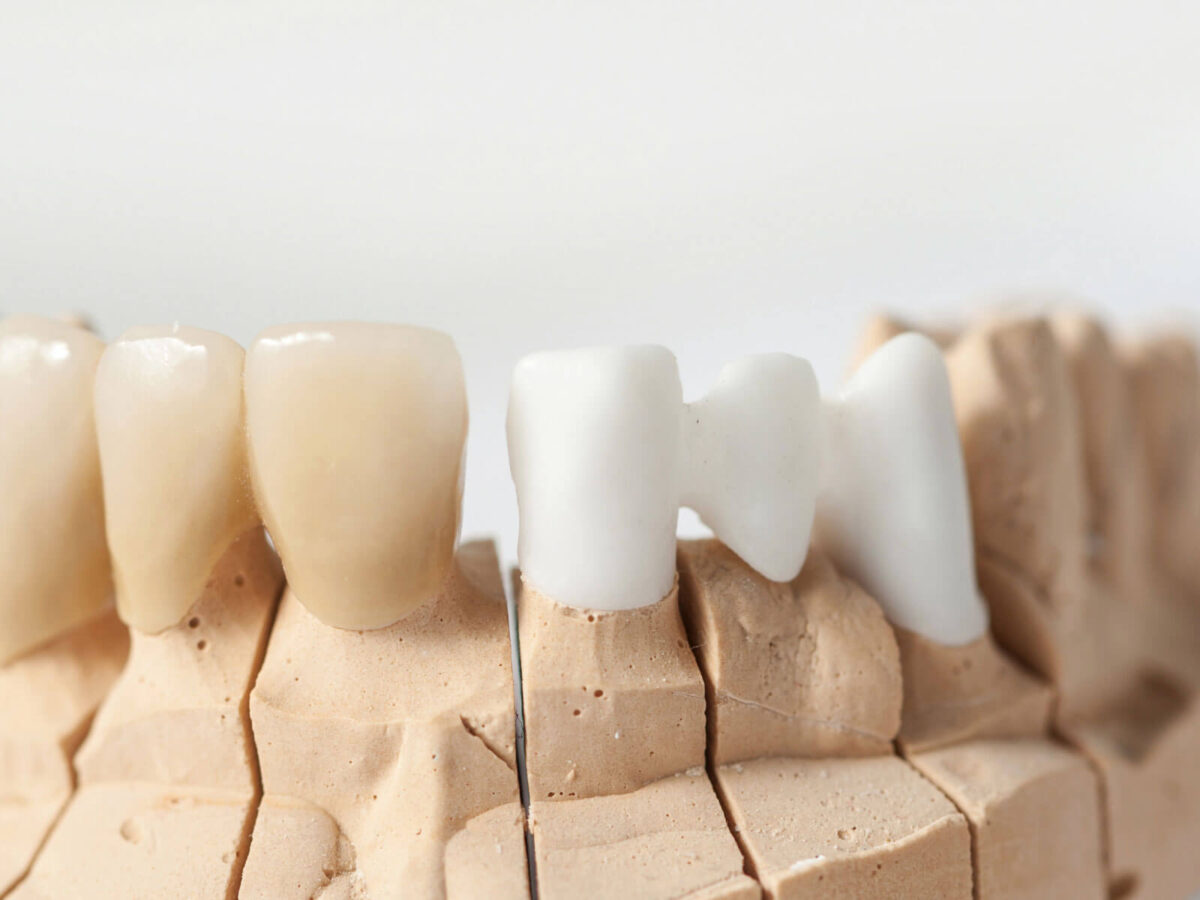
A dental bridge is stabilised by the teeth next to the gap. Those teeth are shaped to fit crowns. Between them sits a false tooth that replaces the one that’s missing.
Once placed, a bridge stays in the mouth. It doesn’t come out. It allows you to chew normally again and helps keep nearby teeth from drifting.
Bridges have been used for many decades. They’re familiar to dentists and patients alike. They often make sense when the surrounding teeth already need crowns.
What Makes A Dental Implant Different
A dental implant replaces the tooth from the root upward. Instead of resting on nearby teeth, it anchors directly into the jawbone.
A dental implant starts with a titanium post placed in the jaw. The bone slowly bonds to it as it heals. The crown comes later, once everything has settled.
Long-term clinical studies show that dental implants have success rates above 90 percent over ten years when placed in healthy bone. [Source] This root-level support is what separates implants from bridges in a big way.
Dental Implants Vs Dental Bridges: How They’re Built Differently
If you’re looking at dental implants vs dental bridges, one of the main things that comes up is how each option is supported.
Bridges depend on nearby teeth. Implants stand alone.
With a bridge, healthy teeth are altered to support the replacement tooth. With an implant, the neighbouring teeth are left untouched. For some patients, this matters a lot. For others, it doesn’t change the decision.
Dentists usually take a close look at the surrounding teeth before leaning toward one option or the other.
Which One Is Better For Jawbone Health?
This is one area where implants tend to be different.
When a tooth root is missing, the jawbone under it doesn’t get the same kind of stimulation anymore. Over time, that bone can begin to shrink. This usually happens slowly, and many people don’t notice it until changes become more obvious.
Implants help with this because they interact with the bone in a way that’s closer to a natural tooth. Bridges don’t really affect the bone under the missing tooth.
This difference has been discussed often in oral surgery. Implants are usually talked about in terms of bone support, while bridges are more about eating and looks. [Source] For people thinking ahead, bone preservation is sometimes part of the decision.
Cost Differences And What They Really Mean
For a lot of people, cost ends up driving the decision.
Bridges often cost less at the beginning. Since there’s no surgery and things move more quickly, many people find it easier to move forward with at first.
Implants are different. The initial cost is higher, partly because surgery and healing are involved. There are also more parts to the process. That said, implants often last longer once they’re in place.
Some studies have followed this over time. Implants may not need to be replaced as much, even though they cost more at the start. That can shift the overall cost later. [Source]
With dental implants vs dental bridges, many people don’t stop at the first bill. They also think about how costs might add up later.
How Long Does Treatment Takes
For a lot of people, time is part of the decision. Bridges usually involve a shorter process. In many cases, treatment takes only a few weeks. That timing can matter to people who don’t want a long treatment period.
Implants move at a different pace. After the implant post is placed, the bone needs time to heal before the crown is added. That healing period can take several months.
Because of that, preferences vary. Some people want the quickest option available. Others don’t mind waiting if they’re thinking more about long-term results.
Comfort And Daily Life After Treatment
Most patients adjust well to both options.
Bridges may feel slightly different at first because they span multiple teeth. Cleaning underneath them takes some getting used to.
Implants often feel very natural once healing is complete. Because they are anchored in bone, many people forget they even have one.
Looking at patient feedback over time, comfort tends to improve with both treatments after the initial adjustment. [Source]
What Ongoing Care Looks Like
Both options depend on daily oral care. Bridges can take a bit more effort to clean properly, especially around the supporting teeth and under the false tooth. Special floss or small cleaning aids are sometimes used for this. Implants are usually maintained in the same way as normal teeth. Daily cleaning and dental visits are the key.
Long-term studies point to oral care being part of how implants and bridges are maintained. [Source]
How Do They Hold Up Over Time
Longevity is another common concern.
Bridges usually last ten to fifteen years before needing replacement. Some last longer. Wear, bite forces, and hygiene all play a role.
Implants can last decades when properly cared for. The crown on top may need to be changed over time, but the implant post itself usually stays stable.
Some clinical reviews point to implants holding up better over the long term than bridges. This difference often matters to younger patients or those planning ahead.
Conclusion
Bridges are generally associated with quicker treatment and lower initial cost. Bone support and long-term stability are often linked more closely with implants.
When the question “dental bridge vs implant, which is better?” comes up? Factors like health and priorities tend to shape the decision. A dental consultation allows these details to be reviewed in one place. This helps determine which option fits the situation.