Blog
Dental hygiene tips for healthy teeth & gums
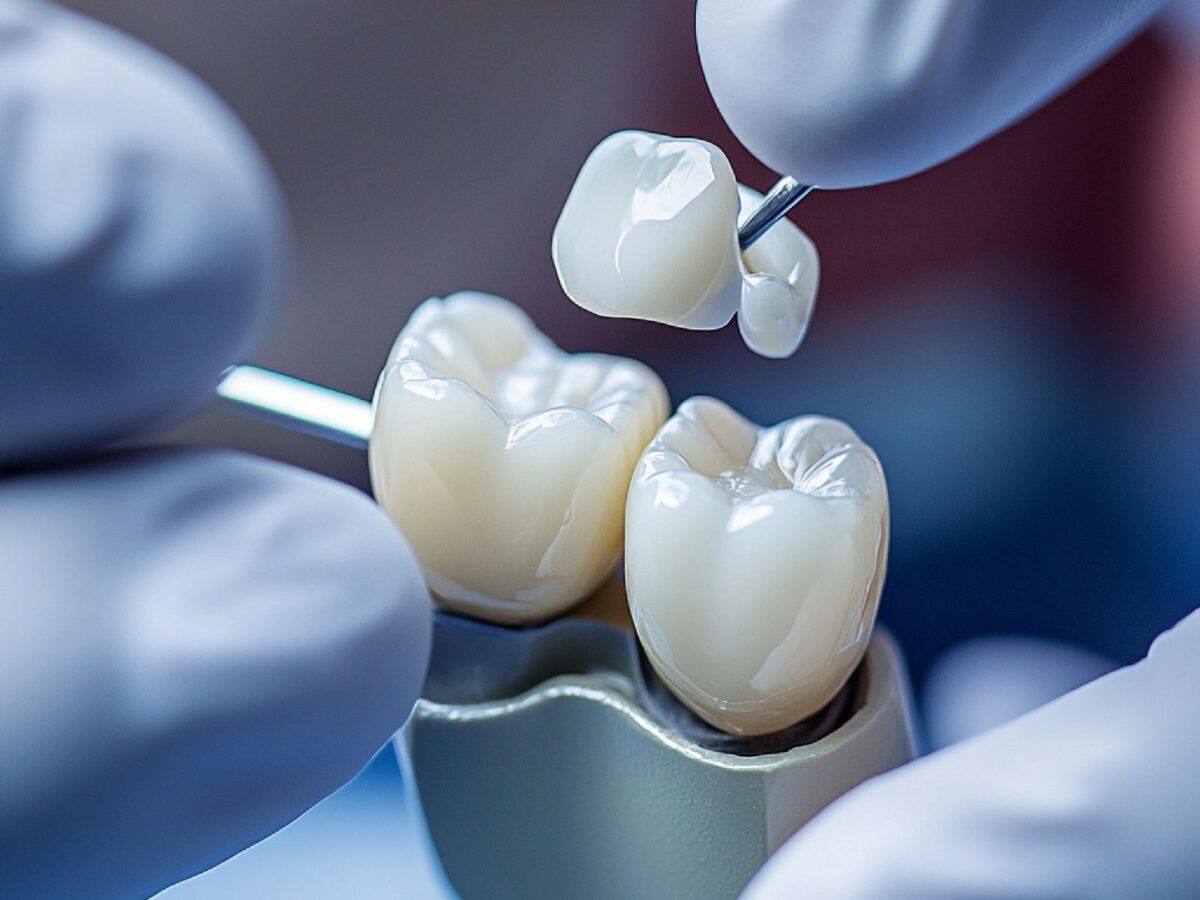
What Happens During a Dental Crown Procedure? Step-by-Step
Most people don’t walk into a dental office already knowing they need a crown. It usually comes up mid-appointment. Sometimes it starts with an X-ray, where something small shows up. Other times, it is a tooth that was filled before and just does not feel right anymore. The dentist checks it, takes a second, and then mentions that a crown might be the better option. That is usually where things shift slightly in your mind.
Because fillings are familiar. Cleanings are familiar. But a tooth crown procedure feels like something bigger, even if you’re not exactly sure why. And then naturally, the questions start. What actually happens? How many visits? Is it uncomfortable?
The answers are fairly straightforward. The process, though, is not a single step. It moves in stages, one part leading into the next.
Why A Crown Is Even Needed In The First Place
A crown is not usually the first option. This comes up when a tooth is just not holding up the way it used to. Maybe it is a large cavity or a crack. Sometimes, even a root canal tooth just does not feel as strong now. Instead of taking it out, the focus is on keeping it and giving it support.
So the crown works more like a cover than a replacement. It goes over what’s left of the tooth and gives it structure again. According to the American Dental Association, crowns are commonly used to restore teeth that are weakened or damaged and to help them function normally again.
So before anything else, the idea is preservation. Not starting over. Just reinforcing what’s already there.
What The First Appointment Feels Like
Most of the actual work happens during the first visit. It usually begins with a careful check of the tooth. Sometimes they take an X-ray too, just to see how deep things go. That part is fairly quick, but it helps decide what the next step should be.
After that, they move on to preparing the tooth. It is shaped a little so the crown can go over it later. It sounds like more than it actually feels. Once you are there, it is not as intense as it seems. You are numb, so no pain, just some pressure and a bit of vibration here and there. Not uncomfortable exactly, just something you are aware of while it is happening.
Once that is done, they take an impression. Some places still use that soft mold. Others use a scan instead. Either way, they are trying to get the exact shape right so the crown fits properly later on. Around this point, it might feel like things should be finished. But not quite, there is still a little more left after this.
Why You Don’t Get The Final Crown Right Away
This is where expectations usually don’t match reality. The permanent crown isn’t ready immediately. It has to be made. The impression gets sent to a lab, where the crown is created to match your bite and the surrounding teeth. Around one to two weeks in most cases. Though it can stretch a bit longer sometimes.
So in the meantime, a temporary crown is placed. It looks similar, but it’s not as strong. You can eat with it, but you’re usually told to be a bit careful. Sticky foods, very hard foods—those are better avoided for a while. So the crown procedure pauses here for a bit. Not because something went wrong, but because the final piece needs to be made separately.
What Happens During The Second Visit
The second visit feels quicker. You come in, the temporary crown is removed, and the new one is tried in. Before anything is fixed in place, the dentist checks how it fits. This part is more important than it sounds.
If the crown is even slightly off, your bite won’t feel right. So adjustments are made if needed. Sometimes very small ones, sometimes a bit more. You’ll be asked to bite down a few times. It might feel slightly different at first. That’s normal.
Once the fit feels right, the crown is secured in place. From there, it is considered permanent. At that stage, the process of a crown is finished.
What It Feels Like After Everything Is Done
This part varies a bit from person to person. Some people don’t notice much at all. Others feel like something is slightly different for a few days. Not pain, just awareness. The bite might feel new. The tooth might feel a bit sensitive, especially to temperature. But that usually settles.
Give it up to a week. It begins to feel like your actual tooth. That adjustment is just part of it. And just like that, the process of a crown is complete.
How Long Does The Whole Tooth Crown Procedure Take
This is where people get confused. You are not in the chair for too long. The first visit is often about an hour, give or take. The second one is shorter in most cases. The part that stretches things out is the time in between, since the crown is prepared at the lab.
So when people ask how long a tooth crown procedure takes, it usually depends on what part they mean. Chair time? Not very long. Total time? Usually a couple of weeks from start to finish.
How Common This Procedure Actually Is
Crowns are actually pretty common. The American College of Prosthodontists has pointed out that they are one of the more routine ways to restore a tooth that is still there but needs reinforcement.
Based on what they have seen over time, a lot of crowns last somewhere between 10 and 15 years, and in some cases even longer with good care. It might take a little time to complete, but it is usually done to prevent more serious problems down the line.
What Can Go Wrong (And Usually Doesn’t)
Most crown procedures go smoothly. But sometimes small adjustments are needed after placement. The crown might feel slightly high when you bite down, or not quite right at first. That’s usually fixed quickly.
In rare cases, the crown can loosen over time. It mostly happens if the cement weakens or if there’s pressure from grinding. But again, these things are manageable. The crown procedure itself is very predictable. It’s been done for years, and the steps don’t really change much.
How To Take Care Of The Crown Afterward
Once the crown is placed, care is pretty simple. You brush and floss as usual. The crown itself won’t decay, but the tooth under it still can. It particularly happens near the edges. So hygiene still matters. Regular checkups help make sure everything is holding up.
So even though the process of a crown ends after placement, maintenance continues like normal dental care.
FAQs
What happens when you get a crown?
It is mainly about protecting a tooth that has weakened. A cap is placed over it so it holds up better.
Is it done in one visit or more?
Usually two visits. There is a short gap in between while the crown is being made.
Will it hurt?
Not really. You are numb, so it is more pressure than anything else.
How long can crowns actually hold up?
Most last up to 15 years, sometimes longer.
Conclusion
At first, the tooth crown procedure can feel like a big thing. A bit overwhelming even. But when you break down the process of a crown, it is actually quite straightforward and done in small stages. It is usually the “what happens next” part that causes the most doubt. That unclear feeling can make everything seem more complicated. When it is explained in a simple way, things start to settle.
If you have questions about getting a crown, it is better to ask and go over them with your dentist. That part alone can clear a lot. If you are ready, or even not fully sure yet, you can still book an appointment and just talk things out. Just take slow steps. And with time, everything just feels calm and easy.