Blog
Dental hygiene tips for healthy teeth & gums
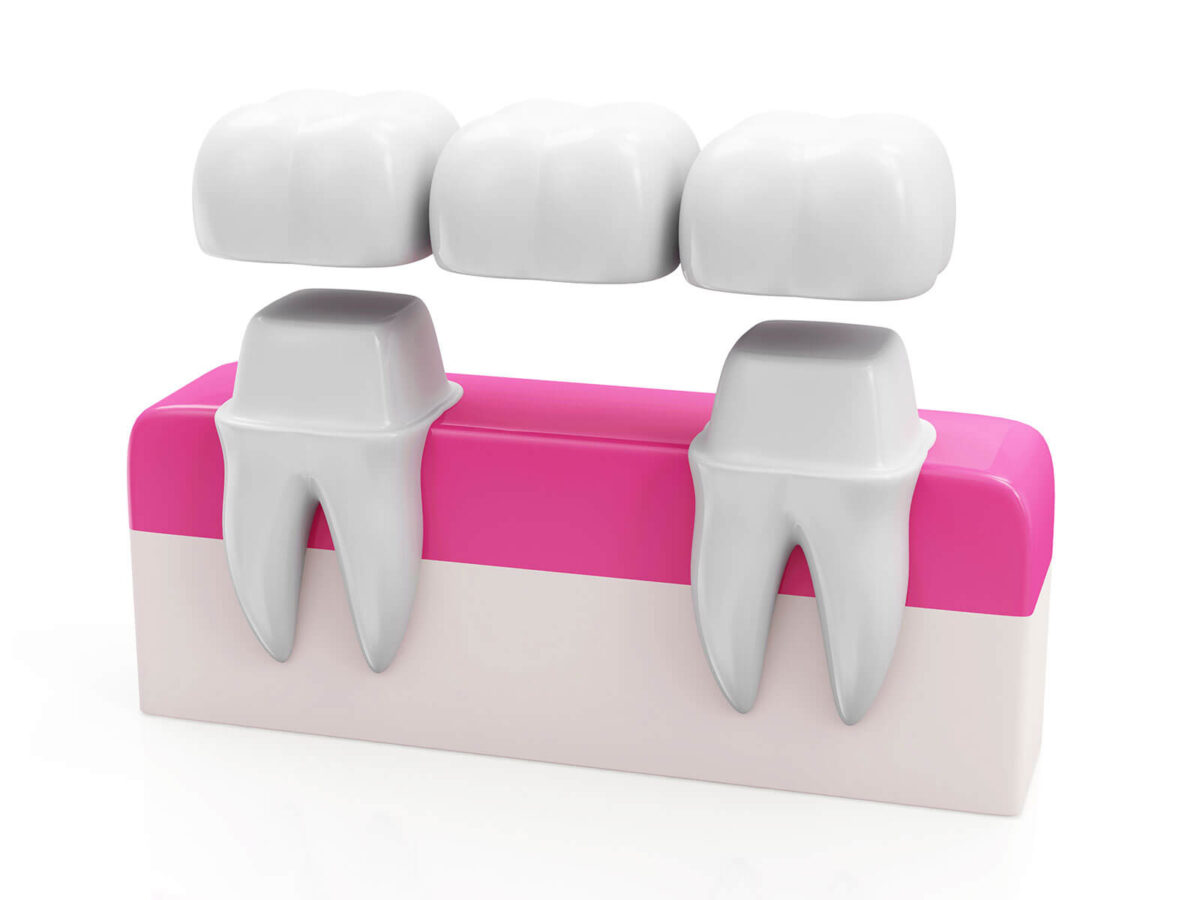
How to Clean and Care for a Dental Bridge
A dental bridge is designed to feel natural after it settles in. Chewing should feel steady. Smiling should feel easy. What often gets overlooked is care. Knowing how to clean a dental bridge properly is what keeps that comfort going year after year. A bridge does not clean itself, especially underneath. Food and plaque like to hide there. This guide explains how to handle that area without stress or complicated routines.
Why Daily Care Matters More Than People Think
A bridge sits on natural teeth or sometimes on implants, but either way, those supporting teeth still do a lot of the work. They don’t stop needing care just because the bridge is there. When plaque builds up around or underneath it, the damage often starts quietly. Gums can become sore without much warning, breath can change, and cavities can form under the crowns where you can’t really see them. That’s usually how problems sneak in. Understanding how to clean a dental bridge helps stop those issues before they start and keeps the bridge feeling secure over time.
Brushing The Right Way Around A Bridge
Brushing twice a day remains the base of care for most people, even when a bridge is involved. A soft toothbrush and slower movements usually work better than moving too quickly. The area where the bridge meets the gums needs extra attention, as plaque can settle there quietly over time.
Scrubbing harder doesn’t really solve that problem and can leave the gums irritated instead. Plain fluoride toothpaste does the job. Those gritty whitening ones are better kept away from the bridge. Spending a little extra time there morning and night helps stop buildup before it gets stubborn. For many people, routines like this are just part of how to clean a dental bridge, without adding extra effort or complication.
Cleaning Under The Bridge
This is the point where most people hesitate. The false tooth, called the pontic, blocks regular floss, so the usual routine doesn’t work the same way. That doesn’t mean you skip flossing. A floss threader lets you slide floss under the bridge so food doesn’t sit there. Waxed floss usually glides through that space more easily. Sliding the floss back and forth under the bridge, then up around the supporting teeth, reaches spots brushing misses. This is often what people are really asking when they search for how to clean.
Interdental Brushes And Water Flossers
If there’s room for them, small interdental brushes can help. They’re made to sweep under the pontic and along the gumline without needing much pressure. Water flossers are another option that some people like to rinse away debris that brushing doesn’t always reach.
Starting gently usually feels best. For bridges supported by implants, keeping pressure light matters even more. Talking with a dental professional helps you choose what feels safe. These tools are not a must, though many people feel more confident with daily care as they understand how to take care of a dental bridge.
What Products Are Safe And What To Avoid
After getting a bridge, plenty of people prefer soft brushes and gentle toothpaste because it simply feels better. Strong whitening products can slowly wear the surface down little by little.
Mouthwash with alcohol can dry the mouth. A dry mouth usually makes plaque show up more. A gentle rinse without alcohol usually feels better day to day. If anything feels confusing, the dentist can help suggest safe products. Keeping the bridge smooth makes how to care for a dental bridge feel less stressful over time.
Caring For A Temporary Bridge — Special Attention Needed
Temporary bridges are more delicate. They are meant to protect teeth while the final bridge is being made. Clean gently and avoid sticky or hard foods. Pulling on a temporary bridge can loosen it.
If it comes loose or feels sharp, call the dental office. Do not try to glue it at home. Once the permanent bridge is placed, cleaning usually becomes simpler and more comfortable.
Food Choices And Habits That Protect Your Bridge
Hard candies, ice, and very sticky snacks put stress on bridges. These foods can loosen crowns or damage cement. Cutting food into smaller pieces and biting evenly helps bring down the pressure.
Grinding at night also affects bridges. A night guard can protect both the bridge and natural teeth. Lifestyle habits play a bigger role in how to clean and care for a dental bridge than many people realise.
Signs Your Bridge Needs Attention
It’s not always one big sign that something is wrong. Often, it’s small changes that appear slowly. Gums around the bridge may start bleeding or feel sore now and then. Bad taste might return even after brushing, or food may trap more easily. These signs don’t always feel urgent at first. A loose feeling or a change in the bite can also happen gradually. Taking care of these things early usually keeps the solution simple. Waiting can allow small issues to grow.
Why Professional Cleanings Still Matter
Home care helps a lot, but it doesn’t do everything. Some areas around a bridge are hard to clean on your own. During professional cleanings, hygienists remove hard buildup and look closely at the edges of the bridge. They may also share tips that make daily cleaning easier. Many people come in every six months, while others need visits a bit earlier. As time goes on, these visits often help people see how to clean a dental bridge in a way that actually works for them.
Special Care For Implant-Supported Bridges
Implant bridges usually feel normal by themselves. Even so, the gums around them can change gradually over time. Some people feel occasional soreness or mild swelling that comes and then settles back down. Even when nothing seems obviously wrong, small changes can appear with little warning.
Changes like this often take time and don’t show up suddenly. When they do start to feel noticeable, gentler handling usually feels easier than trying to force anything. Scrubbing hard or using strong pressure doesn’t always feel good around implants. Steady care at a slow pace usually pays off later.
With Good Care, How Long Do They Last?
A bridge that’s looked after properly often lasts a long time. Daily cleaning helps, careful habits help, and regular checkups matter too.
Over the years, those small things tend to add up. Sometimes a supporting tooth weakens, or the cement holding the bridge starts to wear. These changes are often slow and easy to miss. Catching them early usually means smaller fixes. Waiting can lead to full replacement. Learning how to clean and care for a dental bridge can change how things feel over time. It often helps the bridge stay comfortable longer than people expect.
Final Thought
Learning how to clean a dental bridge is really about protecting what supports it. The space under the bridge matters most. Gentle cleaning and routine checkups keep everything stable. For an easy next step, ask the dental team to show the best floss or brush size for your bridge. A short demo can make daily care feel simple and keep your bridge working well for years.