Blog
Dental hygiene tips for healthy teeth & gums
Dental Implant vs. Bridge: Which One to Choose
After a tooth is lost, the next question comes quickly. Bridge or implant. People usually Google search a dental bridge vs an implant since both options fill the gap and restore basic function. The decision goes beyond appearance. Cost, treatment time, and the effect on other teeth all play a part. This article explains the real differences, outlines the usual steps for each option, and points out simple questions that help slow the decision down.
How Each Option Works In Simple Terms
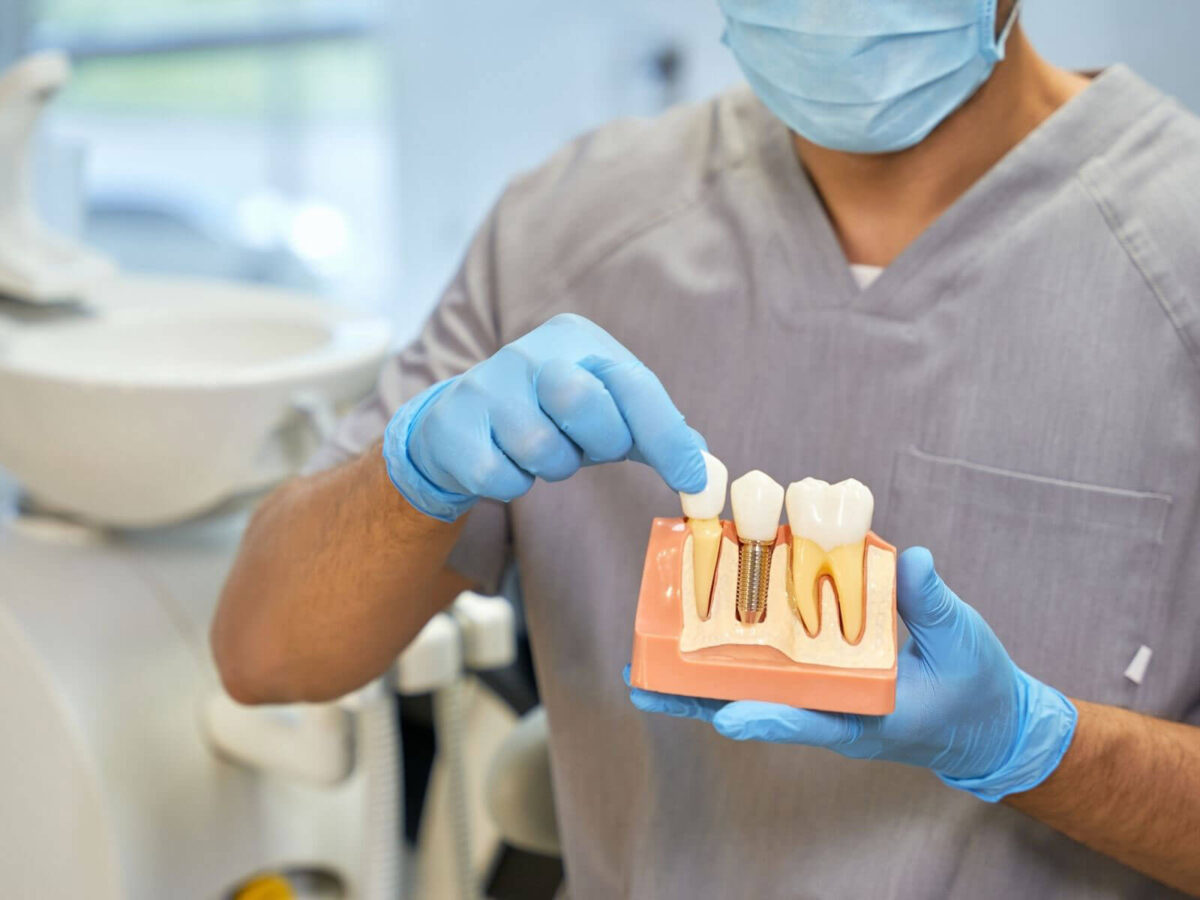
A dental bridge uses neighbouring teeth for support. Those teeth carry the load, and the gap gets filled in between. It works quickly and brings biting back with little waiting. An implant goes another way. A small metal post is placed into the jaw, and then there is a long pause while the bone settles around it. Only after that does the crown go on.
The implant sits where the root used to be and stays there. It holds steady and keeps pressure off the surrounding area. Both approaches solve a problem, just in different ways. Seeing how each one actually works helps take some of the confusion out of dental implant vs bridge.
How They Affect Nearby Teeth And The Jaw
Bridges rely on neighbouring teeth. Those teeth must be shaped to hold crowns, even if they were healthy before. That is a real trade-off: a bridge fixes one tooth but changes others. Implants stand alone. The post goes into the bone and does not ask nearby teeth to carry weight. The implant’s presence also helps prevent bone loss because chewing force passes through the implant into the jaw. That keeps the jaw ridge steadier and can protect the face shape over the years.
Timeline: Dental Implant Vs Bridge
A bridge can often be completed without much delay. The anchor teeth are shaped, impressions are taken, and a temporary is placed. A few weeks later, the final bridge is set, and daily use can begin.
Implants take more patience. The post goes in first. It takes time for the bone to heal. There is no real way to hurry it. Weeks pass. Sometimes months. The crown is added only after that stage is done. The slower process is often traded for long-term stability. That tradeoff is part of how people think through dental implant vs bridge.
Cost And Long-Term Value Dental Bridge Vs An Implant
Up front, bridges often cost less than implants. That makes bridges attractive when money or time is limited. Implants usually cost more at first because they involve surgery and lab-made posts and crowns.
Over time, however, implants often need fewer repairs and less replacement than bridges. When thinking about value, consider replacement and repair over the years. For many people, the implant’s longer life changes the cost picture and can make implants worth the higher start price.
Comfort And Daily Life With Each Option
Bridges usually feel stable almost right away. There is no surgery involved, and they handle everyday chewing without much adjustment. Implants feel different at first. Once healing is done, they tend to feel closer to natural teeth. They stay in place and clean much like the rest of the mouth. Dentures can slip at times. Bridges stay fixed. Once implants settle, they usually stay put.
That steady feel is what stands out for people looking for something close to a real tooth. Comfort with a bridge comes quickly. With implants, comfort shows up later, after the healing period, which is why the comparison of dental implant vs bridge comes down to patience versus timing.
Maintenance
Bridges need extra care near the gum line. Food can collect underneath, and brushing alone may not be enough. Implants are usually simpler to clean and feel more familiar day to day, though the post area still needs attention. Seeing the dentist regularly keeps small problems from turning bigger. Daily care matters more than it seems, and that is why maintenance comes up when people think about dental implant vs bridge.
When A Bridge May Be The Better Choice
A bridge can be the right pick when neighbouring teeth already need crowns or when a quick fix is needed. If a person is not a good candidate for surgery because of health reasons, a bridge avoids the implant surgery. When the bone in the jaw is thin and a graft is not wanted, a bridge may be the simpler route. Bridges also work well when the missing tooth sits between strong, healthy anchors.
When An Implant May Be The Better Choice
An implant is often chosen when long-term stability matters more than speed. It sits on its own and does not involve the teeth next to it. That can be important for people who want to keep their nearby teeth unchanged. With a heavier biting force, the pressure goes into the bone rather than onto other teeth. When the surrounding teeth are healthy, and surgery is an option, implants tend to make sense over time, not just right away.
Possible Complications And How Common They Are
Bridges can wear out at the anchor teeth or develop decay under crowns. If an anchor tooth fails, the bridge may need to be replaced. Implants risk infection at the post if gum care is poor, or failure to integrate with the bone in rare cases. Both options have risks, and both are safer when a trained team plans and follows care steps. Asking about failure rates and how the clinic handles problems is part of a good consult.
Useful Questions To Ask
It helps to ask about the full timeline first. Bone grafts, extra visits, and long gaps between steps all matter. Ask what kind of maintenance is expected and whether nearby teeth will be involved. A clear cost breakdown helps too, not just the starting number. Knowing how long each option usually lasts, it brings dental implants vs a bridge into a more practical frame.
How Health And Habits Change The Choice
Health plays a bigger role than people expect. Smoking, diabetes that is not well controlled, or poor oral hygiene can raise the risk of implants. Bridges are affected too, but they are not stopped by healing issues in the same way. Grinding teeth puts pressure on both options, and a night guard may be part of the plan either way. Daily habits tend to matter just as much as treatment type when thinking through dental implant vs bridge for the long run.
Cost Planning And Financing Options
Because implants often cost more, many clinics offer payment plans. Bridges often need less upfront money. Thinking of cost over time helps. If budgeting, ask about yearly cost estimates, including likely repairs. A clear plan helps avoid surprises and keeps the mouth on a stable path.
Final Thought: Matching The Choice To The Mouth And Life
The choice between a dental bridge vs an implant usually depends on what the mouth looks like right now and what it is expected to handle later. A bridge can be quicker and works well in plenty of situations. An implant often lasts longer and does more to support the jaw and nearby teeth. Health, budget, and patience with treatment time all play a role. A careful exam and an honest conversation usually help narrow things down without rushing the decision.